The Ebola outbreak in the Democratic Republic of the Congo (DR Congo) has reached another province bordering the Central African Republic (CAR), creating fresh concerns for health authorities working to contain the deadly disease.
Two health officials told Reuters on Thursday, October 15, that Ebola cases had been confirmed in North Ubangi province. The development would make it the eighth province in DR Congo affected by the current outbreak, which involves the Bundibugyo strain of the virus.
Congolese authorities had not officially announced the new cases at the time of reporting. However, the reported infections mark another worrying development in an outbreak that has spread across several parts of the country and beyond its borders.
The expansion into North Ubangi is particularly concerning because of the province’s proximity to the Central African Republic. Health officials face the challenge of limiting further transmission in an area where cross-border movement could complicate surveillance and emergency response efforts.
The outbreak, first declared in May 2026, has already caused more than 9,000 reported cases and over 4,000 deaths, according to figures cited by Africanews. The rising toll has increased pressure on medical teams as they work to identify infections, trace contacts and provide care to affected communities.
North Ubangi Becomes the Eighth Province Affected
North Ubangi’s inclusion in the outbreak marks a further expansion of Ebola’s geographical reach in DR Congo.
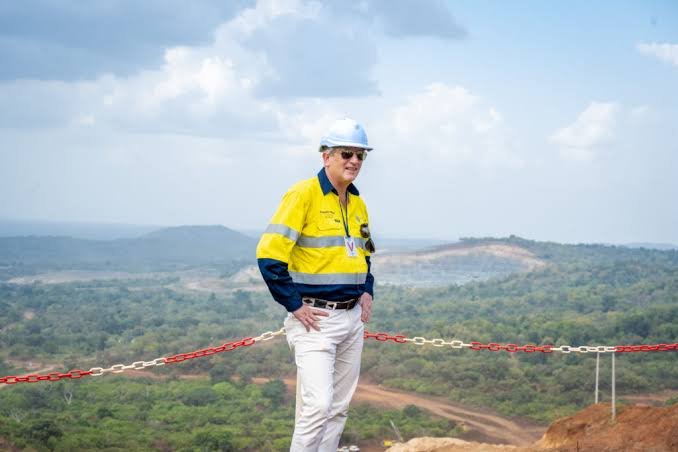
The newly reported infections were identified following concerns about a series of suspected deaths in the Wapinda health zone, an area associated with mining activity. A health official said samples were collected for laboratory testing after the deaths raised suspicions of Ebola.
The affected area is close to the border with Bas-Uele province, another part of DR Congo where infections have been recorded. The appearance of cases in North Ubangi adds to the difficulties facing authorities as they attempt to contain transmission across a wide geographical area.
The outbreak had previously affected provinces including Ituri, North Kivu, South Kivu, Tshopo, Haut-Uele, Bas-Uele and South Ubangi.
Ituri remains the principal centre of the epidemic, while North Kivu has also experienced a significant increase in cases. The continued spread into additional provinces demonstrates the difficulty of containing the virus when communities are widely dispersed and health services face substantial pressure.
Ebola Outbreak Continues to Overwhelm Health Response
The current epidemic is caused by the Bundibugyo virus, a rare type of Ebola virus responsible for severe illness and potentially fatal complications.
Unlike some other Ebola strains, there is currently no approved vaccine or specific treatment for Bundibugyo virus disease. This limits the medical tools available to frontline teams as they work to reduce deaths and interrupt transmission.
The World Health Organization has said a vaccine clinical trial is expected to begin in DR Congo by the end of October. The trial could help researchers determine whether a vaccine can provide protection against this particular strain.
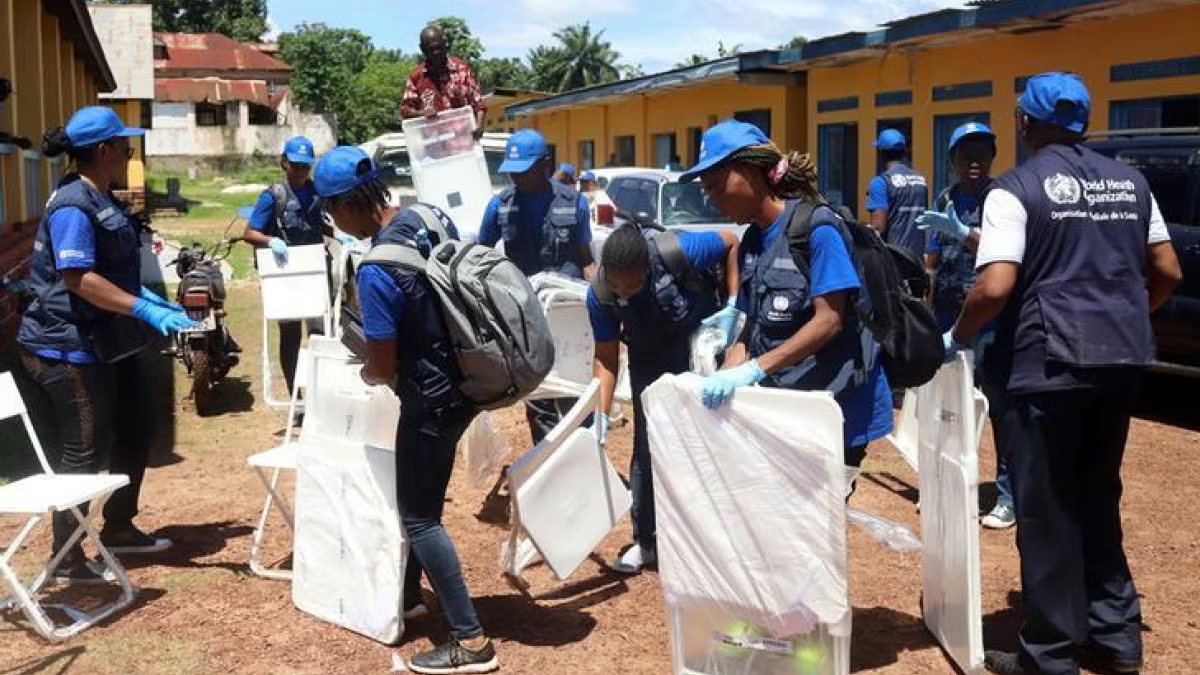
In the meantime, health workers are relying on measures such as early detection, laboratory testing, isolation of suspected cases, treatment and supportive care, contact tracing and public health awareness campaigns.
These interventions are particularly important in communities where access to healthcare is limited. Delays in identifying infections can increase the likelihood that the virus will spread among family members, healthcare workers and other people who come into contact with infected individuals.
The response has also been complicated by insecurity, population movements and shortages of medical resources in some affected areas. These obstacles make it more difficult for health teams to reach vulnerable communities and maintain consistent surveillance.
The growing number of affected provinces means that response teams must also coordinate their activities across a wider geographical area.
Cases Reported Beyond DR Congo
The outbreak has raised concerns beyond DR Congo, with infections also reported in neighbouring countries.
Uganda, which announced that it was Ebola-free in August, subsequently recorded cases linked to the wider regional outbreak. Kenya also reported imported infections in October, including a second case involving a relative of the first patient.
These developments underline the risks associated with cross-border movement while transmission continues in DR Congo.
The emergence of cases in North Ubangi has added another concern because of its proximity to the Central African Republic. Authorities in countries bordering DR Congo face the task of strengthening disease surveillance, preparing healthcare facilities and ensuring that suspected infections can be detected quickly.
Cross-border cooperation is particularly important in areas where people regularly travel for trade, employment and other daily activities. Coordinated information-sharing and timely laboratory testing can help neighbouring countries identify possible infections before wider transmission occurs.
However, the confirmation of cases in a new province does not automatically mean that the virus has crossed into the Central African Republic. The immediate concern is to establish the extent of transmission in North Ubangi and prevent further spread.
Why Containing the Outbreak Remains Difficult
DR Congo has faced repeated Ebola outbreaks over the years, but the current epidemic has become particularly severe.
The response is being conducted in a challenging environment where armed conflict, population displacement and limited access to healthcare have complicated efforts to control transmission.
Public trust is another important factor. Communities need reliable information about symptoms, prevention and available medical services to encourage early reporting and reduce the risk of exposure.
Health officials must also ensure that suspected cases are tested promptly and that people who have been in contact with infected individuals are monitored appropriately.
The absence of an approved vaccine or specific treatment for the Bundibugyo strain makes these public health measures especially important.
Expanding laboratory capacity, improving access to care and supporting frontline healthcare workers will be essential as authorities respond to the spread into North Ubangi.
Authorities Face Urgent Task as Ebola Reaches New Areas
The reported cases in North Ubangi represent another challenge in DR Congo’s efforts to contain the outbreak. With infections now reported in eight provinces, health authorities must respond to a wider geographical threat while continuing to manage transmission in established hotspots.
The immediate priorities include confirming the extent of the new infections, identifying people who may have been exposed and strengthening surveillance in communities close to the affected area.
Cooperation with neighbouring countries will also be important given the province’s proximity to the Central African Republic and the wider movement of people across the region.
Although a vaccine clinical trial could provide important information for future prevention efforts, its expected launch does not offer an immediate solution to the current outbreak.
For now, rapid diagnosis, supportive medical care, contact tracing and public cooperation remain central to the response.
The expansion into North Ubangi highlights the urgency of sustained action to protect affected communities and reduce the risk of further cross-border transmission.