Somalia has announced that its next presidential election will take place on May 15, 2027, setting a key date for the country’s political future as disagreements over constitutional changes and election arrangements continue.
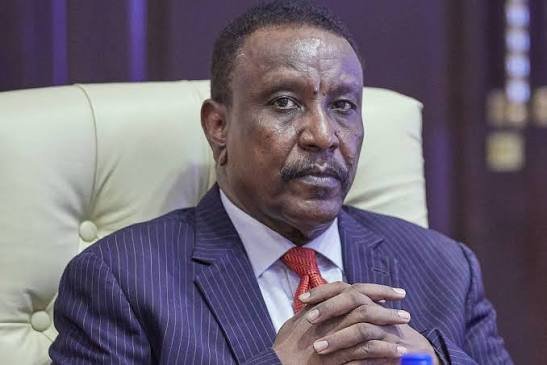
The announcement was made on Thursday, October 15, 2026, by the country’s electoral commission chairperson, Abdikarim Ahmed Hassan, during a statement broadcast on state television. The commission also confirmed that elections for both chambers of the federal parliament are scheduled for April 15, 2027.
The election timetable comes at a sensitive moment for Somalia, where political divisions, security challenges and disputes over the electoral process have placed pressure on the federal government.
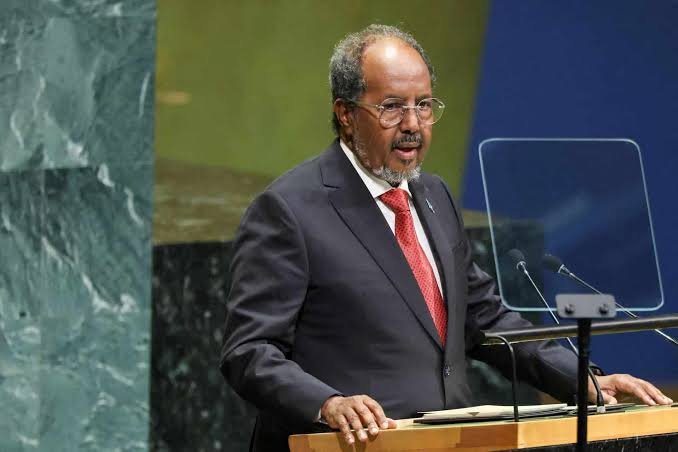
President Hassan Sheikh Mohamud’s term was originally due to end in May 2026. However, constitutional changes approved by lawmakers in March created the possibility of extending his tenure by one year, prompting criticism from opposition groups.
The newly announced election date is therefore expected to be a major point of discussion among political leaders as preparations for the next national vote begin.
Somalia Sets Dates for Presidential and Parliamentary Elections
According to the electoral commission, Somalia’s presidential election will be held on May 15, 2027, while parliamentary elections for the lower and upper houses are scheduled for April 15.
The dates establish a proposed timetable for selecting the country’s next president and federal lawmakers. The parliamentary vote will take place one month before the presidential election.
The electoral process is particularly important for Somalia as the country continues efforts to strengthen its political institutions and move towards a more stable system of democratic governance.
However, announcing election dates is only one step in the process. The authorities will also need to address disagreements among political stakeholders and ensure that the arrangements for the vote receive sufficient support.
The election timetable is likely to shape political discussions in the months ahead, particularly as parties and opposition groups consider their positions on the proposed process.
Opposition Disputes Government’s Electoral Approach
The announcement comes amid a prolonged disagreement between President Mohamud’s administration and opposition leaders over the country’s constitutional framework and the organisation of elections.
Opposition groups have challenged the constitutional amendments approved in March, arguing that the changes could allow the president and other federal institutions to remain in office beyond their original mandates.
The dispute centres partly on the government’s plan to move Somalia towards a one-person, one-vote electoral system, replacing the indirect model used in previous federal elections. Under the earlier arrangement, clan elders and delegates played important roles in choosing lawmakers, who then elected the president.
The government has presented direct voting as an important step towards strengthening democratic participation. However, opposition leaders and some federal member state authorities have questioned the legitimacy of the process, arguing that major political decisions should be based on wider agreement.
The opposition’s rejection of the proposed electoral arrangements raises questions about whether the country can establish a broadly accepted framework before the announced voting dates.
Political consensus will be particularly important if the authorities intend to conduct nationwide direct elections, which require substantial administrative preparation and coordination between federal and regional institutions.
Al-Shabaab Insurgency Remains a Major Challenge
Somalia’s preparations for the 2027 elections are also taking place against the backdrop of a long-running security crisis.
The federal government has continued military operations against al-Shabaab, an armed group affiliated with al-Qaeda that has fought Somali authorities for approximately two decades.
Government forces, supported by an African Union-backed security mission, have made gains against the group in some areas. Nevertheless, al-Shabaab retains a presence across significant parts of the countryside and continues to carry out attacks, including against major population centres.
The security situation could complicate efforts to organise voting across the country, particularly in areas where the government has limited control.
Holding elections under a direct voting system would require authorities to address practical challenges involving voter registration, access to polling stations, election personnel and the protection of voters.
Consequently, security arrangements will be an important factor in determining how effectively the announced timetable can be implemented.
What the 2027 Election Means for Somalia
The planned presidential election will be a significant test for Somalia as it seeks to strengthen its political institutions and improve stability after decades of conflict and political uncertainty.
For President Mohamud, the months ahead will bring continued scrutiny of his administration’s constitutional changes and its efforts to introduce direct elections.
For opposition leaders, the central issue is whether the next electoral process will be organised through an arrangement that enjoys sufficient political support.
The electoral commission’s announcement provides a formal date for the presidential vote, but it does not by itself resolve the disagreements surrounding the election system and the duration of political mandates.
The parliamentary elections scheduled for April 15, 2027, will also be important in shaping the country’s political landscape before the presidential contest one month later.
Ultimately, the success of Somalia’s next electoral cycle will depend not only on meeting the announced dates but also on the ability of political stakeholders to agree on credible arrangements and address security challenges.
With the presidential election scheduled for May 15, 2027, negotiations over the electoral framework are likely to remain central to Somalia’s political debate in the coming months.