Sudan has appealed to international financial institutions for urgent climate funding as concerns grow over the potential impact of drought, irregular rainfall and the El Niño weather phenomenon on agricultural production and food supplies.
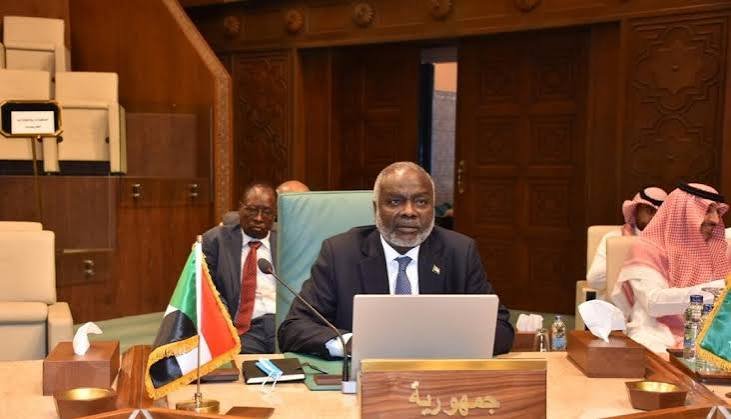
Sudanese Finance and Economic Planning Minister Gibril Ibrahim made the appeal during meetings with international financial officials in Bangkok, Thailand, on October 14, 2026. He urged the World Bank and International Monetary Fund (IMF) to move beyond general commitments and provide practical financial assistance to African countries facing severe climate-related challenges.
The appeal comes as Sudan continues to grapple with a devastating war and a humanitarian emergency that have weakened public institutions, disrupted economic activity and placed millions of people at risk of food shortages.
According to Sudan Tribune, Ibrahim also called for a comprehensive assessment of the potential effects of El Niño and reduced rainfall on Sudan’s agricultural season. He said the country needs financial and technical support to protect farming activities and the livelihoods of rural communities.
Sudan Warns of Growing Threat to Food Production
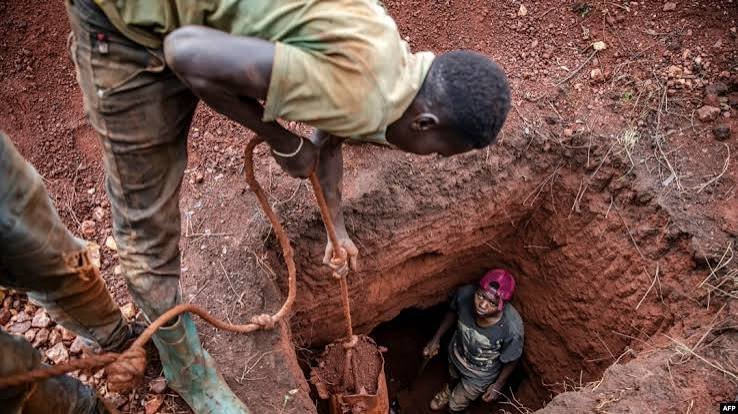
Agriculture remains an important source of income and food for many Sudanese households. However, unpredictable rainfall and rising temperatures are creating additional uncertainty for farmers who depend on seasonal weather conditions.
If rainfall falls below expected levels, farmers could face reduced harvests, crop losses and difficulties maintaining livestock. Such setbacks would further strain food availability in a country already experiencing widespread displacement and economic disruption.
The war has made the situation more difficult by damaging infrastructure, interrupting markets and limiting the ability of many communities to access essential services.
Against this backdrop, the possibility of drought presents another serious challenge for Sudan’s agricultural sector. A poor harvest could reduce the availability of staple foods, increase prices and deepen hardship for families already struggling to meet their basic needs.
Ibrahim’s appeal seeks to encourage international institutions to assess these risks before the situation deteriorates further. A detailed assessment could help identify vulnerable agricultural areas, estimate potential losses and determine which interventions would provide the greatest benefit.
The finance minister believes that financial assistance and technical support will be essential to protecting agricultural output and sustaining rural livelihoods.
World Bank and IMF Urged to Move Beyond Promises
During meetings with representatives of the World Bank Group and the IMF, Ibrahim called for more direct financial assistance to countries facing climate-related emergencies.
He argued that vulnerable African nations need accessible, affordable funding rather than non-binding pledges that may not translate into immediate support.
For Sudan, securing such assistance is particularly important because the country is dealing with overlapping crises. The conflict has damaged public institutions and weakened the government’s ability to respond to economic and humanitarian pressures, while climate risks threaten agricultural production and food supplies.
Ibrahim asked the two institutions to carry out an urgent review of the possible effects of El Niño and rainfall shortages on Sudan. The assessment, according to the finance ministry’s statement, should identify the resources and technical measures required to protect farming and rural communities.
IMF Managing Director Kristalina Georgieva said the Fund was assessing conditions in affected countries to determine the likely consequences and identify potential financing needs.
However, the effectiveness of any response will depend on whether assessments lead to timely funding and practical support for farmers and communities facing the greatest risks.
Fuel and Fertiliser Disruptions Add to Farmers’ Difficulties
Beyond the threat posed by irregular rainfall, Sudan’s agricultural sector is also facing rising costs for essential farming inputs.
Ibrahim discussed these challenges with Jorge Moreira da Silva, the United Nations assistant secretary-general and executive director of the UN Office for Project Services (UNOPS).
Their discussions focused on the effects of energy and fertiliser supply disruptions, which have been aggravated by regional tensions and the closure of the Strait of Hormuz.
The waterway is an important route for international energy trade. Disruptions affecting the movement of commodities through the area can contribute to higher costs and uncertainty in global supply chains.
For Sudanese farmers, more expensive fuel can increase the cost of operating agricultural machinery and transporting crops. Higher fertiliser prices can also make it harder for small-scale producers to obtain the inputs needed to maintain yields.
When these expenses rise at the same time that rainfall becomes less reliable, farmers may face pressure from both lower production prospects and higher operating costs.
Ibrahim and da Silva examined ways to improve access to affordable fuel and fertilisers, with particular attention to the needs of smallholder farmers.
Da Silva, who coordinates a UN task force on the Strait of Hormuz, outlined efforts to establish mechanisms that would facilitate the movement of essential commodities, including energy supplies and fertilisers.
UNOPS could also contribute its expertise in improving supply-chain operations and helping essential goods reach their destinations more efficiently.
Sudan Seeks International Support for Agricultural Recovery
The discussions highlight the importance of treating Sudan’s climate challenges alongside its wider economic and humanitarian difficulties.
Agriculture cannot recover fully without access to seeds, fertilisers, fuel, equipment and functioning transport networks. Farmers also need reliable information about weather conditions and practical assistance when drought threatens their crops.
International support could help address some of these needs, but assistance would have to reach affected communities in time to influence planting decisions and protect harvests.
For a country facing prolonged conflict, delivering that support may be difficult. Insecurity, damaged infrastructure and weakened public services can complicate the distribution of agricultural inputs and humanitarian assistance.
A coordinated approach involving Sudanese authorities, international financial institutions, UN agencies and humanitarian organisations could help identify urgent priorities and direct resources towards the areas most at risk.
The challenge is not simply to raise money, but to ensure that available funding produces tangible improvements in food production and household food security.
Finance Minister Calls for Changes to Global Tax Rules
Alongside discussions about climate finance and agricultural supply chains, Ibrahim raised concerns about the ability of conflict-affected and developing countries to generate sufficient domestic revenue.
At a separate ministerial meeting on international tax cooperation, he called for reforms that would give developing economies a stronger role in shaping global taxation rules.
Sudan’s war has damaged public institutions and weakened tax collection, limiting the government’s capacity to finance recovery and reconstruction.
Ibrahim identified modernising tax administration, introducing digital customs systems and broadening the tax base as important steps towards strengthening domestic revenue collection.
He also called for stronger efforts to curb illicit financial flows and urged international partners to give developing countries a meaningful voice in negotiations over taxation of digital services and cross-border economic activity.
These measures, he argued, could help countries mobilise more domestic resources and reduce some of the obstacles to economic recovery.
For Sudan, improving revenue collection could become increasingly important as the government seeks to restore public services and address the consequences of the conflict. However, meaningful progress would also depend on institutional recovery, improved security and the restoration of economic activity.
Food Security Remains a Major Concern
Sudan’s appeal comes at a time when the combination of conflict, high production costs and uncertain rainfall threatens to worsen existing food shortages.
If farmers cannot obtain affordable inputs or experience substantial crop losses, the consequences could extend beyond rural communities. Lower agricultural output may reduce food supplies in local markets and contribute to higher prices for consumers.
Neighbouring countries could also face indirect effects if regional food supplies are disrupted or the cost of importing essential commodities increases.
Although international assessments can help clarify the scale of the risks, the speed of the response will be crucial. Delayed assistance could leave farmers with fewer options to protect their crops and livelihoods.
Sudan is therefore seeking support that addresses immediate agricultural needs while also helping the country strengthen its capacity to withstand future climate shocks.
Conclusion
Sudan has urged the World Bank, IMF and other international partners to provide practical financial and technical assistance as drought risks and irregular rainfall threaten agricultural production.
Finance Minister Gibril Ibrahim’s appeal in Bangkok underscores the pressure facing a country where climate uncertainty is intensifying the effects of war, economic disruption and humanitarian hardship.
The government is also seeking solutions to rising fuel and fertiliser costs, while calling for international tax reforms that could help developing countries mobilise resources for recovery.
Whether these efforts deliver meaningful results will depend on the availability of funding, the speed of implementation and the ability to reach farmers and vulnerable communities.
For Sudan, protecting agricultural production is not only an economic priority. It is also an essential part of reducing food insecurity and supporting recovery from the country’s prolonged crisis.