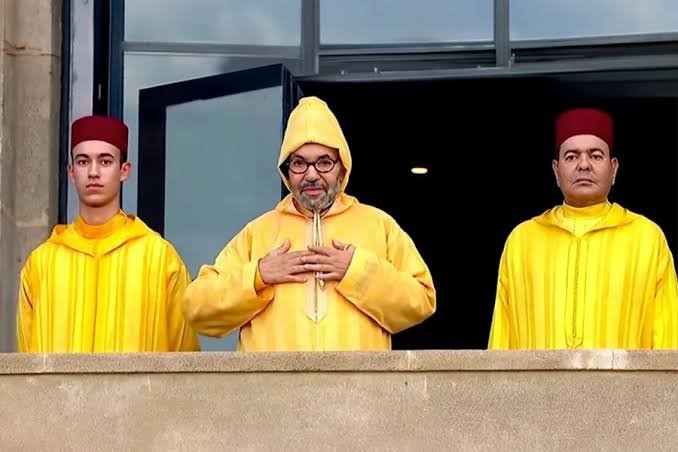
Morocco’s King Mohammed VI has called on citizens and public officials to demonstrate their patriotism through responsible conduct, effective leadership and practical contributions to national development.
The monarch delivered the message on October 9, 2026, while addressing members of Parliament at the opening of the first session of the first legislative year of Morocco’s 12th legislature. He revisited a statement he made in 2014 about the importance of belonging to Morocco, explaining that his attachment to the country had grown stronger over the years.
The speech placed national identity at the centre of Morocco’s development ambitions, while emphasising that pride in the country should not become an excuse for complacency. Instead, King Mohammed VI argued that patriotism should encourage people to fulfil their responsibilities and help the country make further progress.
His address also outlined priorities for the new legislative period, including economic growth, social equality, youth development, improved public administration and stronger international partnerships.
King Mohammed VI Reaffirms His Commitment to Morocco
During his address, the king recalled remarks he made before Parliament in October 2014, when he spoke about the personal importance of his Moroccan identity.
Returning to the message 12 years later, he said his sense of belonging remained firm and had become even more deeply rooted.
The monarch highlighted Morocco’s long history, the continuity of its monarchy, its religious heritage and the diverse cultural influences that have shaped the country.
He also pointed to Morocco’s political, diplomatic, economic and social achievements, describing them as important sources of national confidence.
However, the central message of his speech was that such achievements should inspire further work rather than self-satisfaction.
According to the king, national pride should encourage citizens and leaders to take greater responsibility for the country’s future. His remarks placed particular emphasis on the relationship between patriotism, public service and the performance of elected officials.
The message also served as a reminder to members of Parliament that their positions carry obligations to the citizens they represent.
Morocco Seeks a New Phase of Economic Development
Beyond the question of national identity, King Mohammed VI called for the new legislative and governmental term to become a significant turning point in Morocco’s development.
He said the country should build on its existing achievements and take advantage of opportunities created by changes in the global economy.
The monarch highlighted several areas where Morocco needs to strengthen its capabilities, including water security, energy, food supplies, industrial production, digital technology and artificial intelligence.
These priorities reflect the challenges facing countries seeking to protect their economies from international disruptions while creating new opportunities for investment and employment.
Water security is particularly important for Morocco, which has faced pressure on its water resources and agricultural production. Expanding energy capacity and protecting food supplies are also central to reducing vulnerability to external shocks.
The king called for stronger strategic reserves and more reliable access to essential goods. He also urged private businesses to take a more active role in the country’s economic transformation by investing, creating jobs, developing export markets and introducing innovative products and services.
The proposed approach places responsibility on both public institutions and the private sector. While government policies can establish the conditions for development, businesses are expected to help translate national ambitions into productive investment and employment.
Youth Employment and Equal Opportunities Remain Priorities
King Mohammed VI also stressed the importance of placing young people at the centre of public policy.
He called for a coordinated approach covering education, professional training and access to employment. The objective is to give young Moroccans better opportunities to develop their skills, enter the labour market and improve their economic circumstances.
Youth employment remains closely connected to broader questions about social mobility and public confidence. When young people struggle to find work that matches their qualifications, concerns can emerge about the fairness of economic opportunities and the ability of institutions to respond to their needs.
The monarch’s message linked the country’s economic ambitions to the need for social progress, arguing that development should benefit communities across the country rather than remain concentrated in a limited number of areas.
This approach also places pressure on public institutions to ensure that economic expansion translates into tangible improvements in people’s lives.
For Morocco, the challenge will be to connect investment and industrial development with practical opportunities for young people, including access to quality education, vocational skills and sustainable employment.
King Calls for Faster Regional Development and Administrative Reform
Another major issue addressed by the king was the need to improve regional administration and accelerate the transfer of responsibilities from central government to local authorities.
He argued that delays in implementing decentralisation and administrative deconcentration continue to hinder development programmes and prevent public institutions from responding effectively to local needs.
Administrative deconcentration involves transferring certain decision-making responsibilities and resources from central government departments to their regional and provincial offices. Decentralisation, meanwhile, gives regional and local authorities greater responsibility for managing specific public affairs.
King Mohammed VI called for the removal of obstacles preventing these reforms from being fully implemented.
He also stressed the importance of providing regional institutions with sufficient staff, funding and clearly defined responsibilities so they can carry out projects more efficiently.
The king’s position is that regional development requires more than major infrastructure investments. Authorities must also understand the specific challenges facing individual communities and have the resources to address them.
Improved coordination between central government and regional administrations could help accelerate projects, strengthen public services and encourage investment outside the country’s main economic centres.
The emphasis on regional development also reinforces the broader objective of reducing social and geographical inequalities.
Morocco Reviews Its Migration Cooperation With Spain
The royal address also addressed Morocco’s relationship with Spain, particularly cooperation on migration.
King Mohammed VI said the existing framework for managing migration had reached its limits, pointing to recurring disputes and difficulties involving the return of migrants.
He criticised certain Spanish legal provisions and judicial decisions that, in his view, complicate the repatriation of minors and people whose asylum claims Morocco considers unfounded. The king argued that these difficulties create opportunities for criminal networks involved in irregular migration.
The comments come against the background of a relationship that includes cooperation on border security, trade, investment and other areas of mutual interest.
Despite the disagreements, the monarch reaffirmed that Morocco’s partnership with Spain was a sovereign choice and a voluntary commitment. He rejected the use of threats or political pressure in relations between the two countries.
The king also announced that Morocco would present its international partners with a strategic document outlining a proposed new framework for cooperation.
The initiative is intended to place greater emphasis on shared development, economic competitiveness and regional stability.
Such a framework could provide an opportunity to address recurring migration disputes through a broader discussion of economic interests, security arrangements and the responsibilities of both partners.
However, the practical impact will depend on how the proposal is received and whether the countries involved can agree on measures to resolve their differences.
New Responsibilities for Morocco’s Parliament
King Mohammed VI concluded his message by reminding parliamentarians that their mandates represent a political commitment and a moral responsibility towards citizens.
He urged lawmakers to fulfil their duties and demonstrate that they deserve the confidence placed in them by voters.
The address came as Morocco began a new legislative period following parliamentary elections in September 2026. The new term presents an opportunity for the country’s political institutions to pursue reforms and address public concerns about economic opportunity, social services and regional development.
The monarch’s message suggests that the performance of the new Parliament will be judged not simply by its plans or public statements, but by its ability to deliver practical results.
Among the issues requiring attention are youth employment, the quality of public services, the implementation of regional reforms and the country’s readiness to respond to changes in the international economy.
The call to turn national pride into responsibility therefore extends beyond personal patriotism. It also places expectations on public officials to demonstrate accountability and make progress on policies that affect citizens’ everyday lives.
What the King’s Message Means for Morocco
The October 9 address brought together several themes shaping Morocco’s national agenda: identity, economic development, social equality, institutional reform and international cooperation.
By returning to his 2014 remarks about belonging to Morocco, King Mohammed VI connected the country’s historical identity with the responsibilities facing its leaders and citizens today.
His message was that confidence in the country’s achievements should encourage further progress rather than lead to complacency.
The priorities outlined in the speech will require coordination between government institutions, Parliament, regional authorities, businesses and other parts of society.
Economic strategies must create opportunities for investment and employment, while administrative reforms need to improve the delivery of public services. At the same time, Morocco’s international partnerships will have to adapt to changing economic and security conditions.
Ultimately, the effectiveness of the new legislative period will depend on how far the priorities outlined by the king are translated into concrete policies and measurable improvements.