Former Vice President Atiku Abubakar and several opposition groups have criticised President Bola Tinubu’s latest petrol price relief measure, arguing that the Federal Government’s proposed 30-day discount will not provide a lasting solution to Nigeria’s rising cost of living.
The groups include the Obidient Movement, the Nigeria Democratic Congress (NDC) and the presidential campaign organisation associated with Oyo State Governor Seyi Makinde. They questioned the timing, scope and effectiveness of the initiative, with some suggesting that the announcement was influenced by the approaching 2027 general elections.
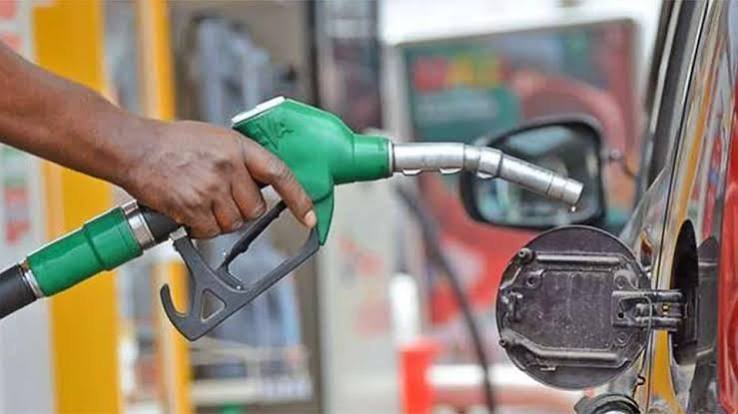
The Federal Government announced the intervention on Thursday, October 8, explaining that the Nigerian National Petroleum Company Limited (NNPC) would temporarily forgo its retail profit margin to sell petrol at a discounted price for 30 days.
The arrangement is intended to cushion households and transport operators against rising fuel costs. However, opposition figures argue that temporary relief will do little to address the broader economic pressures facing Nigerians.
1. Atiku Abubakar Questions What Happens After 30 Days
Atiku, through a statement issued by Phrank Shaibu, Director of Strategic Communication of the African Democratic Congress Presidential Campaign Council, dismissed the initiative as a short-term measure that fails to address the underlying problems created by high petrol prices.
The former vice president questioned why Nigerians should welcome a one-month discount when fuel costs, transport fares and food prices have remained major sources of concern for households.
He also challenged the government to explain what would happen when the arrangement expires, warning that consumers could return to paying the same high prices after the temporary intervention ends.
Atiku further questioned the decision to concentrate the discount on NNPC retail outlets rather than providing a broader mechanism that would benefit motorists across the country.
He argued that the government had not clearly established how much consumers would save per litre or explained how it would ensure that commercial transport operators passed any savings on to passengers.
The former vice president also maintained that his proposal for targeted production support linked to locally refined petrol offered a more sustainable approach. His position is that carefully monitored support for domestic refining could help reduce costs while ensuring that consumers benefit from the intervention.
Atiku insisted that Nigerians require a long-term reduction in living costs rather than a temporary arrangement with a fixed end date.
2. Obidient Movement Questions the Timing of the Policy
The Obidient Movement, which supports the political movement associated with Peter Obi, also criticised the government’s announcement.
In a statement attributed to its Director of Media and Communications, Onyeka Dike, the group questioned why the administration had introduced a petrol discount more than three years after the removal of the fuel subsidy.
The movement argued that Nigerians had endured substantial increases in transport expenses, food prices, education costs and other household bills since the subsidy was scrapped in May 2023.
It also raised concerns about the timing of the announcement, suggesting that the approaching 2027 elections had influenced the government’s decision to introduce temporary relief.
According to the group, a short-term reduction in petrol costs cannot compensate for the prolonged financial pressure experienced by households and businesses.
The movement called for policies that would make essential goods and services more affordable over the long term, rather than interventions that expire after a few weeks.
Its criticism reflects a wider political debate over whether the government should maintain its existing market-based fuel pricing policy or introduce targeted measures to shield consumers from sharp price increases.
3. Nigeria Democratic Congress Describes Discount as Inadequate
The Nigeria Democratic Congress also rejected the Federal Government’s plan, describing it as an insufficient response to the economic consequences of fuel subsidy removal.
The party’s National Publicity Secretary, Osa Director, argued that the proposed arrangement did not adequately address the difficulties faced by Nigerians who have experienced job losses, business closures and declining purchasing power.
The NDC also questioned whether NNPC filling stations would be sufficient to serve the large number of motorists seeking discounted petrol across the country.
It warned that concentrating the offer at designated outlets could create congestion and other safety problems if demand exceeded available supplies.
The party further argued that a temporary discount would not resolve the structural problems affecting transport, manufacturing and small businesses, many of which rely heavily on petrol to operate.
The NDC used its statement to encourage Nigerians to consider the alternatives presented by opposition parties ahead of the 2027 elections, while promoting Peter Obi and its other candidates.
Its position is that the government should introduce more comprehensive economic measures rather than rely on a short-lived reduction in fuel costs.
4. Makinde-Linked Campaign Organisation Criticises N60 Reduction
The presidential campaign organisation associated with Oyo State Governor Seyi Makinde also condemned the proposed intervention.
In a statement signed by its Director of Strategic Communications, Richard Ihediwa, the organisation described the reported N60-per-litre reduction as inadequate compared with the increases Nigerians have experienced since the fuel subsidy was removed.
The group questioned why the government had introduced what it considered a relatively small reduction after petrol prices had risen substantially.
It also criticised the decision to limit the initiative to NNPC retail stations and restrict it to 30 days, arguing that these conditions would prevent many Nigerians from benefiting fully.
The organisation further suggested that the announcement was intended to improve the administration’s political standing ahead of the next general election.
It maintained that Nigerians needed a meaningful and sustainable reduction in fuel costs rather than a temporary measure that might provide only limited relief.
The criticism adds to pressure on the government to explain the expected savings for consumers and how the initiative will operate in practice.
What the Federal Government Says About the Petrol Discount
Despite the opposition, the Tinubu administration has defended the initiative, insisting that it does not represent a return to the former petrol subsidy system.
Finance Minister and Coordinating Minister of the Economy Taiwo Oyedele announced that NNPC would temporarily forgo its retail profit margin and offer petrol at cost for 30 days, with priority given to public transport operators.
The government said the arrangement was designed to provide temporary assistance to households while responding to pressure from higher international energy prices.
Presidential spokesman Bayo Onanuga also rejected claims that the administration had reinstated the blanket fuel subsidy removed in 2023.
Under the new approach, the discount is expected to reflect NNPC’s costs and margins. The precise savings per litre may therefore vary, rather than being fixed at a publicly guaranteed amount.
Oyedele also discussed a proposed N1,350-per-litre ceiling on petrol’s ex-gantry or landing cost as part of efforts to reduce price volatility. The proposal is separate from the temporary retail discount.
Government Announces Additional Measures to Ease Living Costs
The petrol discount forms part of a broader package of measures the Federal Government says will help reduce the pressure of high transport and energy costs.
According to the Presidency, the plans include increasing cash-transfer support for vulnerable households and expanding access to subsidised credit for small businesses and consumers.
The administration is also accelerating the rollout of compressed natural gas (CNG) as a cheaper alternative to petrol for transport operators. The government says wider adoption could help reduce operating costs and, if savings are passed on, lower transport fares.
Other measures include efforts to curb excessive road levies and charges that contribute to logistics costs, improve traffic management in major cities and make deliveries more efficient.
The government has also indicated that it could consider an excess-profit tax for businesses found to be taking unfair advantage of consumers during periods of high energy prices. Any proceeds, according to the proposal, would be directed towards targeted support.
The Presidency maintains that these interventions are intended to protect consumers without restoring a blanket fuel subsidy or imposing general price controls.
Debate Over Fuel Prices Likely to Continue Ahead of 2027 Elections
The reactions from Atiku, the Obidient Movement, the NDC and Makinde’s campaign organisation show how petrol prices remain a major political issue in Nigeria.
Since the removal of the fuel subsidy in May 2023, higher petrol costs have affected transportation, food distribution, production and other areas of economic activity. The resulting pressure on households has made fuel pricing a central point of disagreement between the administration and opposition figures.
For the government, the challenge is to demonstrate that its temporary discount and other measures can deliver meaningful relief without recreating the fiscal problems associated with the former subsidy system.
For the opposition, the central argument is that Nigerians need sustained reductions in living costs rather than temporary interventions whose benefits may disappear after a month.
The effectiveness of the programme will ultimately depend on how much consumers save, whether public transport operators reduce fares, how widely the discount is available and what happens when the 30-day period ends.
As the 2027 elections approach, the dispute is likely to remain part of the broader debate over economic reforms, fuel pricing and the best way to improve living standards in Nigeria.