Sudan is facing a worsening fuel supply crisis that has pushed prices higher and created fresh difficulties for households, transport operators and businesses already struggling with the effects of war.
The shortage has disrupted public transportation and the movement of goods while increasing operating costs for factories and other businesses. As transportation becomes more expensive, the pressure is also spreading to food and other essential commodities.
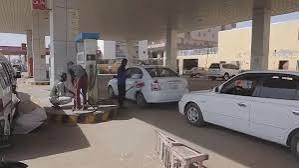
Residents in Khartoum have reported growing difficulties obtaining petrol and diesel, with long queues and rising prices adding to the strain on an economy already severely weakened by the conflict between Sudan’s army and the Rapid Support Forces.
One resident, Mohamed Hassan, said the disruption had affected both the movement of people and the delivery of goods, leaving parts of the market severely constrained.
Global and domestic factors worsen shortage
Analysts say Sudan’s fuel problems are the result of several factors rather than a single supply disruption.
The international energy market has been affected by the conflict in the Middle East, creating additional pressure on fuel supplies and prices. At the same time, Sudan is dealing with domestic restrictions that have made it harder for importers to bring petroleum products into the country.
A major obstacle is a requirement linked to the country’s central bank under which fuel importers must provide the equivalent of 200 kilograms of gold to support import transactions.
Analysts say the measure has reduced the number of companies able to participate effectively in fuel imports, contributing to tighter supplies.
The country’s foreign-exchange shortage has further complicated efforts to finance imports, while the prolonged closure of the al-Jaili refinery has removed an important source of domestic fuel production.
Black market trade expands
As official supplies have become harder to obtain, the shortage has created an opportunity for black-market fuel sellers.
Fuel sold through unofficial channels has reportedly risen sharply in government-controlled areas, with petrol and diesel commanding substantially higher prices than at authorised filling stations.
Recent reports put black-market petrol at around 60,000 Sudanese pounds per gallon, compared with approximately 37,000 pounds at official outlets. Diesel has also been selling for considerably more on the parallel market.
The widening difference between official and unofficial prices has placed additional pressure on motorists and transport businesses.
Transport costs affect food prices
Fuel shortages are particularly damaging in a country where roads and transportation networks are already under severe pressure from the ongoing conflict.
When drivers pay more to obtain fuel, the additional expense is transferred to passengers and businesses transporting food and other goods.
The result is a chain reaction across the economy. Higher transport costs increase the price of commodities, while consumers already dealing with reduced incomes and currency depreciation have less money available for basic necessities.
Sudan has already experienced a severe deterioration in living conditions since the war began. The country’s currency has also lost substantial value in army-controlled areas, contributing to higher prices for imported and locally traded goods.
Government promises additional supplies
Sudanese Prime Minister Kamil Idris has responded to the shortages by ordering additional petroleum products to be delivered to service stations.
The move is intended to increase availability and reduce the pressure created by long queues and rising prices.
Idris has also described the situation as part of a wider economic struggle facing the country and instructed distributors to accelerate deliveries.
Authorities have taken other steps aimed at keeping fuel distribution functioning, including efforts to address problems affecting mobile banking services that motorists depend on for payments amid severe cash shortages.
Businesses and ordinary citizens bear the cost
For ordinary Sudanese, the fuel shortage comes on top of years of economic disruption caused by the war.
Public transport operators face higher operating expenses, while factories and other businesses are confronted with increased costs for production and logistics.
Farmers are also vulnerable because diesel is needed to power agricultural equipment and transport harvests. Earlier this year, rising fuel and fertiliser costs were already creating difficulties for Sudanese farmers, with experts warning that continued supply problems could threaten food production.
The latest fuel crisis therefore risks extending beyond petrol stations and transport networks.
If supplies remain restricted and prices continue climbing, the consequences could be felt throughout Sudan’s food markets and wider economy.
For a population already facing displacement, food insecurity and collapsing purchasing power, restoring a reliable fuel supply will be crucial to any effort to stabilise economic activity and ease pressure on households.