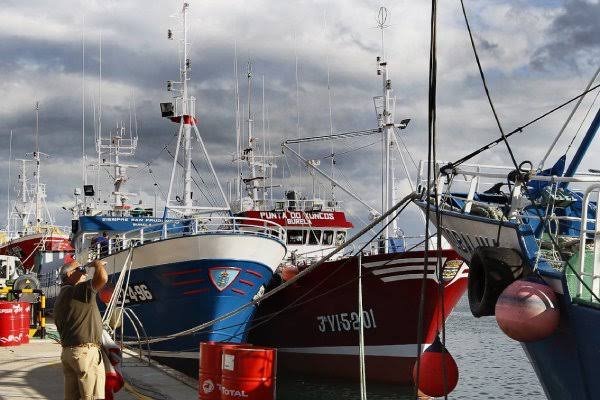
Spain’s fishing industry is facing mounting pressure as access to several African fishing grounds becomes increasingly difficult following the suspension, expiration or failure to renew agreements with coastal countries, including Morocco and Mauritania.
The situation has reportedly put nearly 100 Spanish fishing vessels at risk of remaining idle, with 173 fishing licences affected across multiple fishing zones, according to figures cited by the Spanish fishing industry and reports from Spanish media.
The developments have raised concerns among Spanish vessel operators, particularly those whose businesses rely heavily on fishing grounds outside European Union waters. Morocco and Mauritania have emerged as the most significant challenges, while Senegal and Gabon have also contributed to the difficulties facing the fleet.
The restrictions are linked to the expiration of fishing agreements, ongoing negotiations and growing demands from African countries for partnerships that provide greater economic benefits, investment and opportunities for local fisheries industries.
Morocco Fishing Agreement Remains Unresolved
Morocco remains one of the most important fishing destinations for Spain’s distant-water fleet, but the previous fishing arrangement between the European Union and Morocco has been left without a renewed operational framework.
The earlier agreement, which provided fishing opportunities for European vessels, was affected by legal developments surrounding Western Sahara. The European Court of Justice’s rulings on agreements involving the territory complicated efforts to establish a new arrangement.
European and Moroccan officials have continued technical and diplomatic discussions aimed at developing a framework that can meet legal requirements while addressing the interests of both parties.
The proposed approach is expected to place greater emphasis on traceability, economic compensation, sustainability and the development of local fishing industries.
For Spain, the delay has consequences for vessels that previously relied on Moroccan fishing grounds. Reports cited in the Spanish media indicate that around 92 Spanish vessels remain affected by the lack of a renewed arrangement.
Morocco’s position also reflects a broader shift in fisheries cooperation, with African countries increasingly seeking arrangements that deliver more than financial compensation for access to marine resources.
Mauritania’s Fishing Agreement Expires
Mauritania has become another major obstacle for Spanish fishing operators after the fishing agreement between the country and the European Union expired on November 14, 2026, without a new deal.
The previous agreement allowed approximately 30 Spanish vessels to operate in Mauritanian waters. Its expiration forced European fishing boats to leave the country’s fishing zone while negotiations over a replacement arrangement continued.
The former protocol provided for an annual European Union payment of €60.8 million and allowed the European fleet to catch up to 280,050 tonnes of fish annually under established conditions.
However, negotiations over the renewal reportedly stalled amid disagreements about financial compensation and access conditions. Mauritania has sought a higher contribution from the European Union, arguing that the proposed terms do not sufficiently reflect the value of its marine resources.
The loss of access to Mauritanian waters has further complicated the situation for Spanish operators, particularly because the country had served as one of the fleet’s important fishing destinations in West Africa.
The European Commission is reportedly continuing negotiations in an attempt to reach a new agreement with Nouakchott.
Senegal and Gabon Add to the Challenges
Senegal and Gabon have also contributed to the difficulties confronting European fishing operators, although the circumstances surrounding their agreements differ.
In Senegal, the European Union has maintained restrictions on renewing fisheries cooperation amid concerns about illegal, unreported and unregulated fishing. The EU’s yellow-card warning has complicated efforts to restore the agreement, which previously provided opportunities for Spanish vessels.
The fishing protocol with Senegal expired in November 2024, leaving approximately 29 Spanish vessels affected by the absence of a renewed arrangement.
Gabon, meanwhile, ended its fisheries protocol with the European Union in June 2026. The decision affected 22 fishing licences, while Gabonese authorities raised concerns about the economic and environmental consequences of the arrangement.
Gabon has reportedly argued that European fishing operations were not generating sufficient benefits for the local economy, particularly in terms of employment, fish processing and the development of domestic fisheries infrastructure.
The European Commission is exploring a broader cooperation framework that would include investment, training, sustainability measures and efforts to strengthen local fisheries value chains.
EU Seeks a New Fisheries Cooperation Model
The growing difficulties in securing fishing agreements with African countries have pushed the European Union to reconsider how it negotiates access to marine resources outside its borders.
Rather than relying primarily on financial payments in exchange for fishing rights, Brussels is increasingly considering arrangements that include investment, industrial development, job creation, environmental protection and technology transfer.
The strategy is intended to strengthen partnerships with coastal countries while helping European fishing operators maintain access to important international fishing grounds.
However, negotiations are becoming more complicated as African governments seek stronger guarantees that foreign fishing activities will contribute meaningfully to their economies.
For Spain, the situation is particularly concerning because of the number of vessels affected and the importance of African waters to its distant-water fishing industry.
The Spanish fleet is also facing broader economic pressures, including rising operating costs, profitability concerns and the need to modernise vessels and fishing operations.
With agreements involving Morocco, Mauritania, Senegal and Gabon either stalled, expired or suspended, Spanish operators are increasingly looking for alternative fishing destinations, although those options may be limited.
The ongoing negotiations could determine whether European fishing operators regain access to some of the region’s major fishing grounds or whether African countries continue reshaping fisheries agreements to prioritise domestic economic development and sustainable resource management.