ALGIERS — Amnesty International has urged Algerian authorities to abandon proposals that could widen the use of the death penalty and potentially bring executions back after more than three decades.
The rights organisation is calling on the government to establish an official moratorium on executions as an initial step towards abolishing capital punishment altogether.
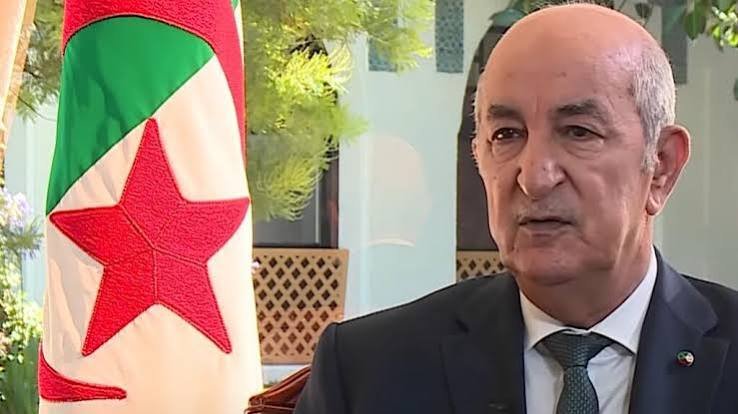
The appeal follows moves by President Abdelmadjid Tebboune to amend the country’s Penal Code after a series of deadly wildfires devastated parts of Algeria.
On August 30, Tebboune directed the justice minister to prepare amendments that would allow the death penalty to be applied to people found guilty of deliberately starting or encouraging forest fires. He also said individuals handed a death sentence would be executed after exhausting their legal avenues of appeal.
The directive came after fires swept through the Kabylie region and other areas of northeastern Algeria between August 26 and 30, destroying villages and causing significant loss of life. The government subsequently began reviewing proposed changes to the Penal Code, with the president indicating that the death penalty could also be extended to cases involving child abduction and abuse.
Amnesty International researcher Nadege Lahmar said the scale of the wildfire tragedy should prompt authorities to strengthen prevention and accountability rather than reverse more than 30 years without carrying out an execution.
She argued that returning to executions would conflict with the protection of the right to life and Algeria’s international human rights commitments. She also pointed to Algeria’s previous support for United Nations General Assembly resolutions advocating a moratorium on executions with the ultimate aim of abolishing the death penalty.
Concerns Over Wildfire Accountability
Amnesty said it examined government statements, media reports and relevant legal provisions following the fires, alongside earlier research into politically motivated prosecutions in Algeria.
The organisation said it had communicated its concerns and recommendations to Algerian authorities on September 7 but had not received a response at the time of its statement.
The exact scale of the August disaster has also remained disputed. Official figures initially cited 12 deaths and 54 hospitalisations, while other credible reports subsequently indicated substantially higher casualties, including claims of more than 70 deaths in one municipality.
Separate fires in July had already claimed six lives. Authorities have previously identified extreme heat and climate-related conditions as factors contributing to the country’s wildfire risk, while the president has also raised the possibility of deliberate acts by what he described as criminal elements seeking to weaken Algeria and threaten national unity.
Between late July and September 10, Algerian authorities announced the detention of 20 people in connection with investigations into arson and subversion. Officials said one of those detained was allegedly linked to the Movement for the Self-determination of Kabylie, or MAK, which the Algerian government has designated as a terrorist organisation.
Previous Use of Death Sentences
Amnesty said the latest proposals have raised particular concern because Algerian authorities have previously invoked wildfires in cases involving political opposition.
Following devastating fires in northeastern Algeria in 2021 that killed at least 90 people, authorities blamed opposition groups, particularly the MAK, and prosecuted dozens of people on terrorism and other serious charges.
In November 2022, a court sentenced 56 people to death following a mass trial that Amnesty said was affected by serious fair-trial concerns and allegations of torture. At least 10 defendants were reportedly sentenced to death because of their political affiliations. The Supreme Court later ordered a retrial, which began on March 1, 2026.
Amnesty further said terrorism-related laws carrying the death penalty have also been used in cases involving peaceful activists unrelated to the wildfires since 2021.
The organisation warned that the history of such cases makes any expansion of capital punishment particularly concerning.
Calls for Broader Investigations
As Algeria continues to experience increasingly severe wildfires amid global warming, Amnesty said authorities should concentrate on protecting communities, improving prevention measures and strengthening emergency response systems.
The organisation argued that investigations should go beyond identifying people suspected of deliberately setting fires and should examine every factor that may have contributed to the deaths and destruction.
Lahmar called for investigations to be independent, impartial, transparent and comprehensive, including scrutiny of possible failures by public officials as well as weaknesses in disaster preparedness, prevention and emergency response.
She also said any prosecutions arising from credible evidence of criminal responsibility should take place through fair proceedings without the death penalty, while survivors and relatives of victims should receive accurate and timely information about people who remain missing or have died.
Death Penalty Remains on the Books
Under Algeria’s existing law, deliberately setting fires can attract punishments ranging from three years in prison to life imprisonment, while the death penalty can apply where arson results in death.
Although Algeria has not carried out an execution since 1993, its courts have continued to issue death sentences, particularly in murder cases. Amnesty also noted that authorities expanded capital punishment to cover several drug-related offences in July 2025.
Algeria is a party to the International Covenant on Civil and Political Rights, which restricts capital punishment to the “most serious crimes” and places abolition among the objectives for countries that retain it.
The UN Human Rights Committee has said countries party to the covenant should not introduce the death penalty for offences that did not carry the punishment when they joined the treaty, nor should they expand its use.
Amnesty International maintains that capital punishment should be abolished in every case and under all circumstances.