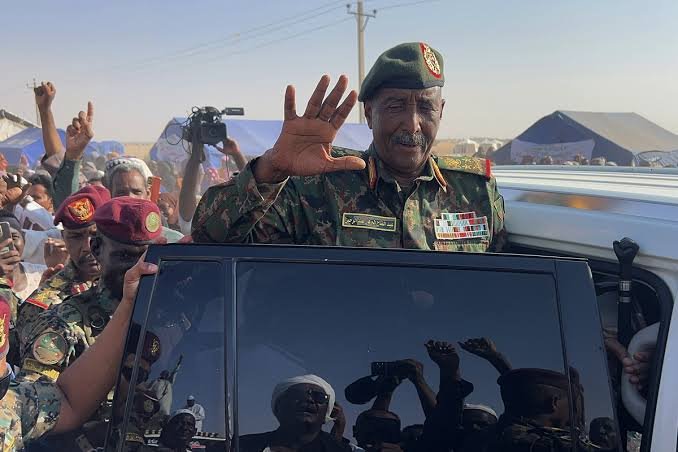
Tensions between Sudan and the United States have intensified after reports that Washington has not issued a visa to Sudanese army chief Abdel Fattah al-Burhan ahead of his planned appearance at the United Nations General Assembly in New York.
According to Reuters, diplomatic sources said the visa had reportedly been made conditional on al-Burhan accepting a proposed 90-day ceasefire intended to create space for humanitarian assistance and renewed negotiations in Sudan’s war. The proposal was put forward by Massad Boulos, the US senior adviser for Arab and African affairs.
The reported visa dispute has generated criticism in Sudan, with activists and journalists accusing Washington of using access to the UN as a means of applying political pressure on the country’s military leadership. Neither the US State Department nor Sudanese authorities had publicly confirmed the reported conditions at the time of the reports.
Al-Burhan was due to address the UN
Al-Burhan, who heads Sudan’s armed forces and has served as the country’s de facto leader since 2019, was scheduled to speak during the annual UN General Assembly session.
His participation has become a regular feature of Sudan’s representation at the global gathering since the war between the Sudanese Armed Forces (SAF) and the Rapid Support Forces (RSF) erupted in April 2023.
Sudan’s UN ambassador, Al-Harith Idriss Al-Harith, reportedly appealed to UN Secretary-General António Guterres to intervene over the visa issue. The UN confirmed that its secretariat had raised the matter with US officials, while Guterres expressed concern that the visa had reportedly not been issued.
Washington pushes for a temporary truce
The visa controversy comes as the United States increases diplomatic pressure for a pause in the fighting.
Boulos has been promoting a 90-day humanitarian truce that would allow greater access for aid agencies and potentially create an opening for broader negotiations. Washington has also been working with regional and international partners through diplomatic efforts aimed at reducing the violence.
The conflict has repeatedly frustrated ceasefire initiatives. Previous agreements have broken down as the two sides continued fighting for military advantage. Al Jazeera reported that US-backed and regional efforts have struggled to produce a lasting cessation of hostilities.
The humanitarian consequences have been severe. Millions of Sudanese have been displaced since the war began, while food shortages, attacks and the disruption of essential services have contributed to one of the world’s most serious humanitarian emergencies.
Sudan rejects outside pressure
Sudanese authorities have pushed back against Washington’s approach.
Al-Burhan has previously argued that temporary pauses in the conflict can give the RSF an opportunity to reorganise and strengthen its military position. In comments published in Foreign Policy, he said previous ceasefires had failed and argued that peace initiatives should not be imposed without meaningful Sudanese participation.
Sudan’s government has also rejected recent US remarks questioning the legitimacy of the country’s military authorities. Reuters reported that Khartoum called for Washington to respect Sudan’s sovereignty and engage with its government.
Activists criticise reported visa conditions
The reported decision has drawn criticism from Sudanese activists, who argue that the UN should remain accessible to member states even when governments disagree with US policy.
Some activists described the reported visa condition as political pressure and said preventing al-Burhan from travelling to New York would not necessarily change his position on the proposed truce.
The controversy also raises questions about the diplomatic arrangements governing the US as host country for the UN headquarters. Under the agreement governing the UN’s presence in New York, the United States has obligations concerning access for representatives of member states, although Washington has previously restricted entry involving other foreign officials.
War continues despite diplomatic efforts
Sudan’s conflict began in April 2023 after a power struggle between the army and the RSF developed into full-scale fighting. The conflict has since spread across large parts of the country, with both factions accused of serious abuses.
A UK government assessment published in July 2026 said fighting continued across Sudan, although the intensity varied by region. It also reported that the conflict had shifted significantly toward areas including Kordofan and Blue Nile after changes in territorial control elsewhere.
With the UN General Assembly underway, the dispute over al-Burhan’s visa has added another diplomatic complication to efforts to end the war.
For Washington, the reported visa condition forms part of its wider push for a humanitarian pause. For Sudan’s military leadership, however, the episode has become another point of disagreement over foreign involvement in the country’s conflict.
The immediate question remains whether the diplomatic pressure will contribute to a temporary ceasefire or further complicate efforts to bring Sudan’s rival forces to the negotiating table.