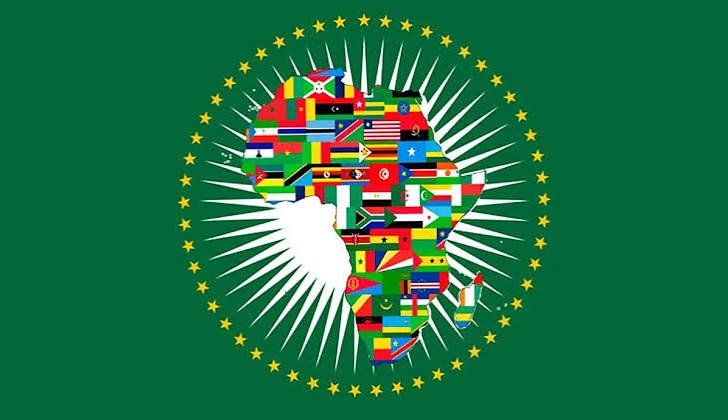
The African Union has taken a major step towards reshaping how the continent is assessed by international investors, launching its own credit rating agency to challenge the high borrowing costs linked to Africa’s so-called “risk premium.”
The new Africa Credit Rating Agency (AfCRA) is expected to provide an alternative assessment of African economies, with its backers arguing that the continent’s financial risks should be measured using accurate data and a deeper understanding of local economic conditions.
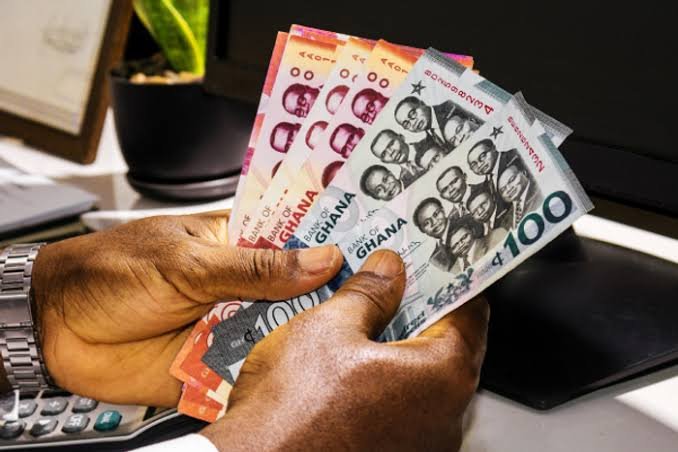
Credit ratings can have a direct impact on a government’s ability to raise money on international markets. A weaker rating can translate into higher interest payments, increasing the cost of borrowing and putting additional pressure on already stretched public finances.
For years, African governments have complained that they often pay more to access international capital than countries with similar economic fundamentals elsewhere in the world. The debate has fuelled concerns that Africa is being saddled with a risk premium that does not always reflect the realities of individual economies.
The United Nations has also drawn attention to the continent’s high financing costs, warning that expensive borrowing can limit the resources available for development and make it harder for countries to invest in infrastructure and essential services.
It is against this backdrop that the African Union has moved to establish AfCRA, seeking to give African economies a stronger voice in the global credit-rating landscape.
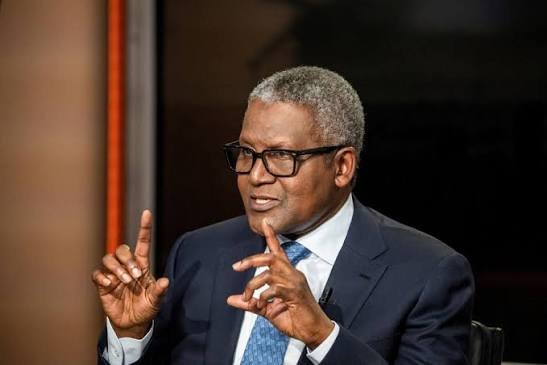
Dr Misheck Mutize, an AU adviser on credit rating agencies, has been closely involved in the initiative and is expected to explain the agency’s mandate and the thinking behind its creation.
The central argument behind the project is that African economies should be assessed on reliable evidence rather than broad assumptions about the continent’s risks.
Senegal Builds Its Space Industry
Africa’s economic transformation is also extending beyond traditional sectors, with countries increasingly investing in space technology and satellite infrastructure.
National space budgets across the continent have reportedly grown to about $800 million, up from less than $300 million in 2018.
The growing investment reflects the expanding role of satellite technology in solving practical challenges. Satellite data can help governments monitor urban expansion, track environmental changes and improve planning, while also providing valuable information for agriculture.
As African cities continue to grow and farmers contend with increasingly unpredictable weather, access to reliable satellite information is becoming more important.
Senegal is among the countries seeking to develop greater domestic capacity in the sector. After working with France on the construction and launch of its satellites, the West African nation has finalised plans to assemble future satellites within the country.
The planned assembly operations will be based at the headquarters of Senegal’s national space programme on the outskirts of Dakar.
Informal Sector Remains Africa’s Economic Backbone
Away from the high-tech space industry, Africa’s informal economy continues to play a central role in keeping millions of households afloat.
The sector includes traders, artisans, small-scale businesses and other workers operating outside much of the continent’s formal regulatory and taxation framework.
Although it provides employment for more than 80 per cent of Africa’s workers, the informal economy remains largely underserved. Many businesses have limited access to formal finance, social protection and institutional support, while their contribution to tax revenues remains relatively low.
The challenge for governments is how to bring more of this economic activity into the formal system without undermining the livelihoods that depend on it.
Creating simpler registration processes, improving access to finance and providing stronger support for small businesses could help unlock more of the sector’s economic potential.
From credit ratings and satellites to informal businesses, the issues highlight a broader push across Africa to strengthen homegrown capacity and ensure that the continent’s economic potential translates into greater opportunities for its people.