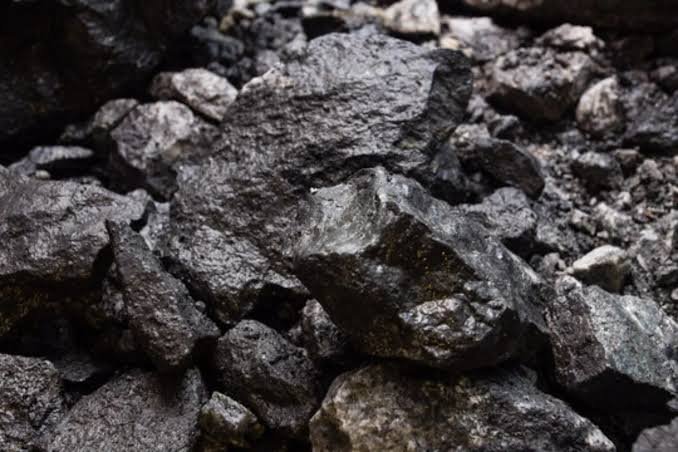
Uganda is spending approximately Shs3.8 trillion every year importing steel products despite possessing significant deposits of iron ore that could support domestic production, according to the Uganda National Bureau of Standards (UNBS).
The situation has raised concerns about the country’s dependence on foreign steel manufacturers and the slow development of local mineral-processing industries.
The revelation highlights a major challenge facing Uganda’s industrialisation ambitions, as the country continues to spend substantial amounts on imported steel while valuable mineral resources remain available for domestic exploitation.
The issue has also renewed discussions about the need to expand local steel manufacturing, attract investment in processing facilities and reduce dependence on imported industrial materials.
Uganda has considerable iron ore deposits, particularly in the southwestern districts of Kabale, Kisoro and Kanungu. However, transforming these resources into finished steel products requires significant investment, modern technology, reliable electricity and specialised industrial infrastructure.
The continued reliance on imports means that a considerable amount of money that could support domestic manufacturing and employment is instead spent purchasing steel from international suppliers.
Why Uganda Continues to Import Steel
Despite having iron ore reserves, Uganda faces several challenges in converting its mineral resources into finished steel products.
Producing steel from iron ore requires specialised processing plants, substantial capital investment and a dependable supply of energy. These requirements have made it difficult for local manufacturers to meet the country’s growing demand.
The availability of raw materials alone is not enough to establish a competitive steel industry. Manufacturers also need modern machinery, skilled workers, reliable transportation networks and access to affordable electricity.
Power supply is particularly important because steel production is energy-intensive. Frequent electricity interruptions and high production costs can make locally manufactured steel more expensive than imported alternatives.
Uganda’s industrial sector also faces competition from established international manufacturers, particularly suppliers from China, South Africa, Japan and other major steel-producing countries.
World Bank trade data shows that Uganda imported approximately $600.7 million worth of iron and steel in 2024, with China, Kenya and Japan among its leading suppliers.
Uganda’s Iron Ore Reserves Offer Opportunities for Industrial Growth
Uganda’s iron ore deposits could play an important role in transforming the country’s manufacturing sector if the government and private investors successfully develop the necessary processing infrastructure.
The Kigezi sub-region, particularly Kabale, Kisoro and Kanungu, contains substantial iron ore resources that could support domestic steel production.
In January 2025, President Yoweri Museveni launched an iron ore processing plant operated by Tembo Steel in Iganga District.
The development was presented as an important step towards reducing Uganda’s dependence on imported steel and increasing the use of locally available minerals.
At the time, State Minister for Trade, Industry and Cooperatives David Bahati said Uganda had approximately 312 million tonnes of iron ore in the Kigezi sub-region.
He also highlighted the country’s annual spending on imported steel products, arguing that local processing facilities could help reduce foreign expenditure while creating opportunities for exports.
A second iron ore processing plant operated by the Abyssinia Group was also launched in Jinja District in January 2025.
New Steel Projects Could Reduce Uganda’s Import Bill
Uganda is also pursuing additional investments aimed at expanding domestic steel production.
One of the projects attracting attention is the proposed Elgon Steel Factory at the Sino-Uganda Mbale Industrial Park, where commercial production is expected to begin in April 2027.
The facility is expected to use iron ore sourced from Kabale and other parts of Uganda to manufacture finished steel products, including construction materials.
The investment is intended to strengthen local manufacturing capacity, create employment and reduce the country’s reliance on imported steel.
However, the success of such projects will depend on access to affordable electricity, essential production inputs, reliable infrastructure and sufficient investment capital.
Government Faces Pressure to Support Local Steel Manufacturers
The continued expenditure on imported steel has renewed calls for stronger government support for domestic manufacturers.
Industry stakeholders have argued that improving electricity supply, providing appropriate investment incentives and strengthening local processing capacity could help Ugandan companies compete with international suppliers.
The government has previously discussed measures to protect local manufacturers from competition posed by imported products, including adjustments to import taxes and electricity tariffs.
President Museveni announced plans in January 2025 to increase taxes on certain imported products to support local industries and encourage domestic production.
However, industrial policy experts have also emphasised the importance of ensuring that protection measures do not unnecessarily increase costs for businesses and consumers.
The challenge for Uganda is to develop a steel industry that can produce high-quality materials at competitive prices while supporting employment and economic growth.
What Uganda’s Steel Import Bill Means for the Economy
Spending Shs3.8 trillion annually on steel imports represents a significant economic challenge, particularly as Uganda seeks to strengthen domestic manufacturing and reduce dependence on foreign products.
Developing local steel production could help retain more money within the economy, create employment opportunities and provide materials for major infrastructure projects.
It could also support construction, transport, manufacturing and other industries that depend heavily on steel.
Nevertheless, reducing imports will require more than simply having iron ore reserves. Uganda must establish efficient processing facilities capable of meeting domestic demand in terms of quality, quantity and price.
The country’s ability to turn its mineral resources into finished industrial products could therefore become an important factor in its long-term economic development.