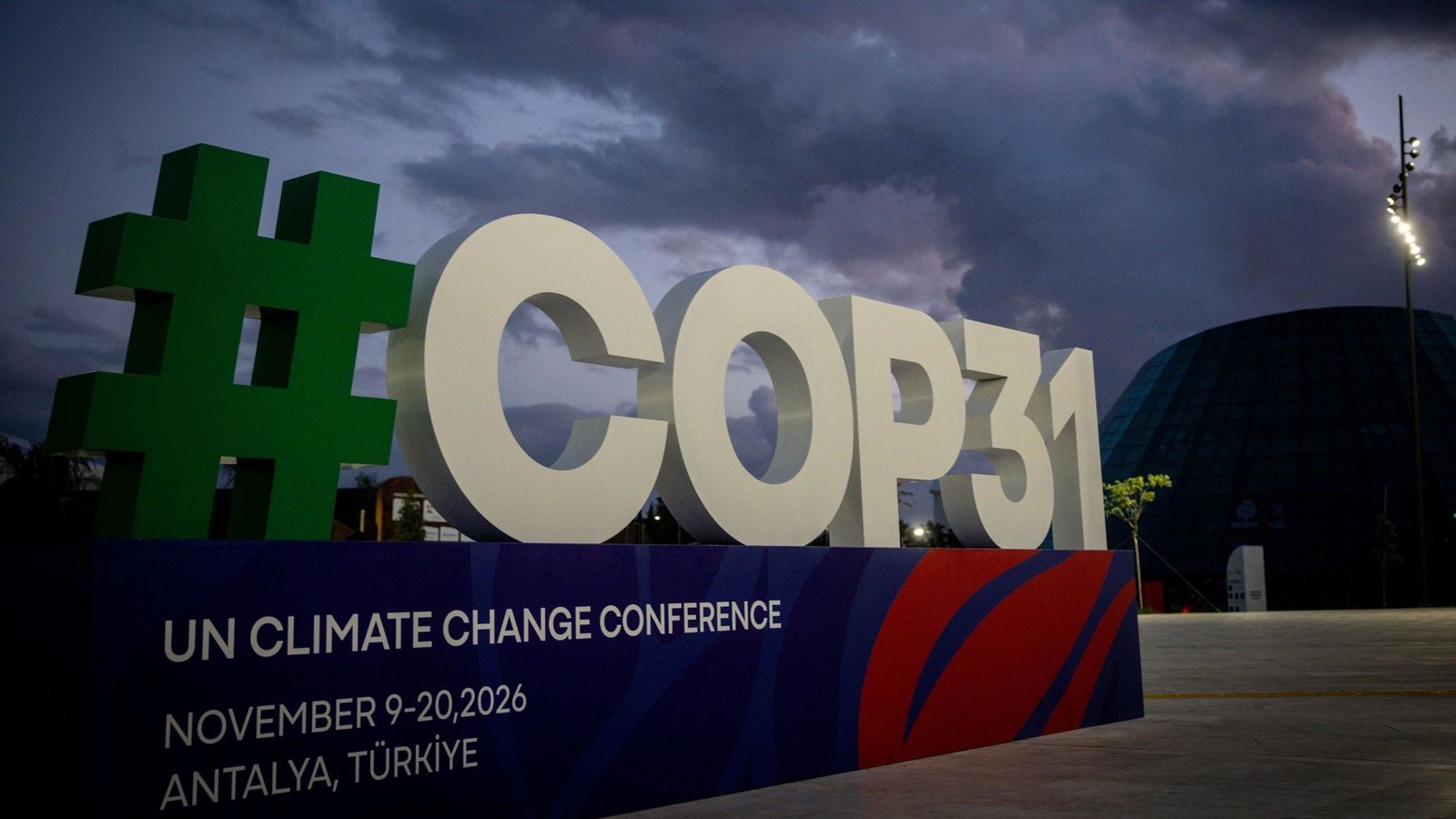
The World Health Organisation (WHO) has warned that the failure of countries to reach a major agreement at the 31st United Nations Climate Change Conference (COP31) could worsen the health risks facing millions of people worldwide.
The warning follows the conclusion of COP31 in Antalya, Türkiye, where representatives of nearly 200 countries failed to agree on a comprehensive final political deal after prolonged negotiations over climate finance, fossil fuels and measures to address the effects of global warming.
The talks, which extended beyond their scheduled closing date, ended without an overarching agreement, raising concerns among climate advocates, health experts and vulnerable communities about the pace of international action against climate change.
The WHO has repeatedly emphasised that climate change is not only an environmental crisis but also a major threat to public health, affecting access to clean water, food security, healthcare services and the safety of communities exposed to extreme weather events.
The latest setback at COP31 has renewed concerns about the ability of governments to coordinate meaningful action to protect populations from increasingly severe climate-related health challenges.
COP31 Ends Without a Major Climate Agreement
COP31, which brought together governments, climate experts, environmental organisations and other stakeholders, ended in Antalya without countries agreeing on a broad political deal to advance global climate action.
Negotiations became increasingly difficult as participating nations disagreed over how the final document should address fossil fuels, climate financing and support for countries experiencing the most severe effects of climate change.
The proposed final text faced objections from several countries and regional blocs, particularly because it did not explicitly address the transition away from fossil fuels or provide sufficiently clear commitments on climate finance.
The European Union and other delegations expressed dissatisfaction with the outcome, arguing that the proposed agreement did not adequately reflect the urgency of the climate crisis.
The negotiations continued beyond their scheduled conclusion, but the divisions among countries ultimately prevented the adoption of an overarching agreement.
How Climate Change Threatens Human Health
The WHO’s concerns centre on the growing health consequences of climate change, which experts say are increasingly visible in communities across different regions of the world.
Rising temperatures can increase the risk of heat-related illnesses, including heat exhaustion and heatstroke, particularly among older people, children, outdoor workers and individuals with underlying vulnerabilities.
Extreme weather events such as floods, droughts, wildfires and severe storms can also damage healthcare facilities, disrupt access to medicines, contaminate drinking water and displace communities.
Climate-related disruptions to agriculture and food production may contribute to food shortages, malnutrition and higher food prices, particularly in regions where communities depend heavily on rain-fed farming.
Changes in temperature and rainfall patterns can also influence the spread of certain infectious diseases, while worsening air pollution can aggravate respiratory and cardiovascular conditions.
These challenges are particularly concerning for low-income countries, which often face limited healthcare infrastructure, inadequate funding and fewer resources to prepare for or respond to climate-related emergencies.
Africa Faces Growing Climate-Related Health Risks
African countries remain particularly vulnerable to the health consequences of climate change despite contributing comparatively little to global greenhouse gas emissions.
Across parts of the continent, communities are increasingly dealing with flooding, prolonged droughts, extreme temperatures and disruptions to agricultural production, all of which can affect public health and livelihoods.
The WHO’s African regional office has also stressed the importance of integrating health priorities into climate negotiations, arguing that healthcare systems need adequate financing to prepare for climate-related emergencies.
At COP31, African health organisations and climate stakeholders pushed for greater recognition of health within climate negotiations, including financial support for countries seeking to strengthen healthcare systems against climate-related threats.
The continent’s vulnerability has made climate financing, adaptation measures and stronger healthcare infrastructure important priorities for African governments and regional institutions.
Climate Finance Remains a Major Point of Disagreement
Climate financing was one of the major issues that contributed to the breakdown of negotiations at COP31.
Developing countries have continued to demand greater financial assistance from wealthier nations to support adaptation programmes, disaster preparedness, renewable energy development and other climate-related initiatives.
Many vulnerable countries argue that existing funding arrangements are insufficient to meet the growing costs of climate-related disasters and the investments needed to protect communities.
The absence of stronger financial commitments in the proposed COP31 agreement has therefore attracted criticism from environmental organisations and representatives of developing nations.
Health experts have also stressed that climate financing should support healthcare facilities, disease surveillance, emergency response systems and other programmes needed to protect populations from climate-related health risks.
WHO Calls for Stronger Climate Action
The WHO has consistently called on governments to treat climate change as a public health priority and accelerate efforts to reduce emissions while strengthening healthcare systems.
The failure of COP31 to produce a major agreement has raised concerns that disagreements among governments could slow progress on measures needed to protect lives and reduce the effects of climate change.
Experts have argued that countries must continue pursuing climate action through national policies, regional partnerships and international cooperation, even when negotiations at global summits encounter difficulties.
As climate-related emergencies continue to affect communities worldwide, the WHO’s warning underscores the importance of stronger commitments, adequate funding and coordinated action to safeguard public health.