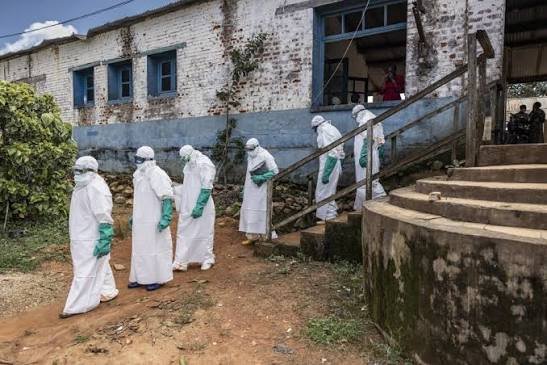
Health workers trying to contain an Ebola outbreak in eastern Democratic Republic of Congo are facing growing security threats, according to Africa CDC. Attacks on responders and medical facilities have interrupted parts of the public health effort, including the tracking of people who may have come into contact with the virus.
At a November 12 briefing, Africa CDC epidemiologist Wessam Mankoula reported four armed attacks, 16 assaults on response personnel and 11 health facilities that had been burned or otherwise targeted. He said the incidents had become more deadly since late September.
The threat is especially serious because outbreak control depends on workers being able to reach patients and communities. Teams need to identify people who may have been exposed, arrange monitoring and care, and explain how to reduce further transmission. Insecurity can delay those activities or prevent them altogether.
Recent attacks disrupt field work
An attack in the Cantine-Aloya area of North Kivu last week killed 66 people, including three health workers, Africa CDC said. WHO also reported that three health facilities were looted and burned during the assault. The Allied Democratic Forces, an armed group with links to Islamic State, were identified as responsible, according to the Reuters report.
Africa CDC said more than 1,000 people listed as contacts of Ebola cases could no longer be reached, while three confirmed cases remained unaccounted for. Contact monitoring helps health teams spot illness early among people who may have been exposed. When staff lose contact with them, responders have less information about where the virus may be moving.
The security crisis extends beyond a single location. The Associated Press reported that ADF attacks in Ituri killed at least 22 people and involved abductions and the burning of homes. The violence is also taking place in a province where Ebola response teams are trying to contain transmission.
Ebola cases and the strain on health services
The outbreak, declared in May, is caused by Bundibugyo virus. The US Centers for Disease Control and Prevention reported 11,114 confirmed cases and 5,433 confirmed deaths in the Democratic Republic of Congo as of November 10. The figures may be revised as investigations and reporting continue.
There is no licensed vaccine or specific treatment for Bundibugyo virus disease, according to WHO. That makes rapid detection, infection prevention, supportive clinical care and reliable communication important parts of the response. WHO has also identified insecurity and limited health capacity as barriers to controlling the outbreak.
The danger to health workers is not limited to armed attacks. CDC lists violence, shortages of protective equipment, misinformation and weak access to health services among the conditions complicating the response. Together, these factors can make it harder for staff to provide care safely and persuade people to seek help.
WHO urges protection for responders
WHO Director-General Tedros Adhanom Ghebreyesus has warned that insecurity is limiting humanitarian access and disrupting Ebola operations. The agency has called for frontline personnel to be protected and paid on time, while essential medical and humanitarian services continue.
The agencies’ response involves surveillance, laboratory testing, clinical care, infection prevention, safe burials and public engagement. Those measures rely on access to affected communities and cooperation from residents. WHO and Africa CDC have emphasized the importance of community-led work in containing the outbreak.
The latest warning underscores how conflict can undermine disease control. If health workers cannot reach people who may be infected, or if facilities are forced to close, vital steps in the response can stall. Protecting medical staff and keeping health services accessible are therefore central to efforts to track cases and slow transmission in eastern Congo.