The exchange rate between the US dollar and the Nigerian naira remains an important concern for individuals, businesses, importers and Nigerians who depend on foreign currency for international transactions.
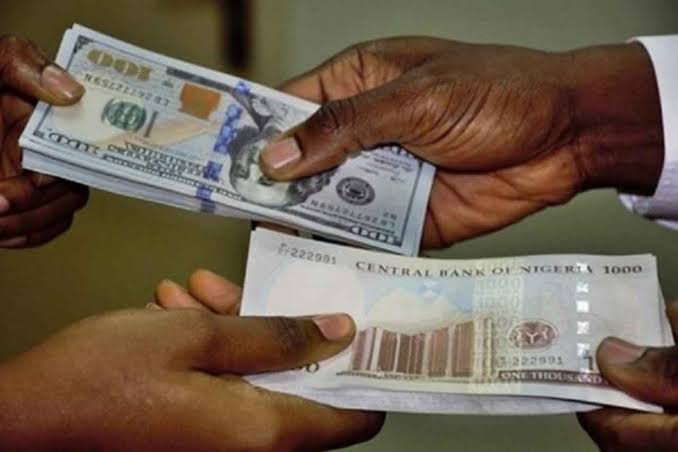
On Tuesday, November 3, 2026, the dollar was quoted at approximately ₦1,347.44 at the Nigerian Foreign Exchange Market (NFEM), while Bureau de Change operators in the parallel market were selling the American currency for around ₦1,395.
The figures show a difference between the official foreign exchange market and the parallel market, where rates are influenced by currency availability, demand and individual dealers.
According to figures published by Vanguard, BDC operators were buying dollars at approximately ₦1,380 and selling them at ₦1,395 on Tuesday.
The rates provide an indication of the cost of obtaining US dollars in Nigeria, although the actual amount offered by banks and currency dealers may differ.
Official Dollar to Naira Exchange Rate Today
The official dollar-to-naira rate stood at approximately ₦1,347.44 per dollar on Tuesday, November 3, based on the latest figure reported by Vanguard.
The Nigerian Foreign Exchange Market is the country’s official platform for foreign currency transactions, where exchange rates reflect trading activities and market conditions.
The Central Bank of Nigeria publishes official foreign exchange market data through its reporting channels. Its latest available trading record at the time of reporting showed an NFEM weighted average of ₦1,346.2565 per dollar on Friday, October 30, with a closing rate of ₦1,346.
The difference between the reported reference figure and the latest published trading record reflects the importance of checking the date attached to an exchange-rate quotation.
For Nigerians making international payments, importing goods or conducting business transactions, the official market remains an important reference point.
Dollar to Naira Black Market Rate Today
In the parallel market, commonly known as the black market, the dollar was quoted at approximately ₦1,380 for buying and ₦1,395 for selling on November 3.
This means that individuals selling dollars to BDC operators could receive around ₦1,380 for every dollar, while those purchasing the currency could pay approximately ₦1,395.
However, parallel-market rates are not fixed across Nigeria. Prices can vary between locations, dealers and individual transactions.
The amount available for purchase may also influence the rate offered by a particular operator.
Nigerians are therefore advised to compare quotations from authorised dealers and confirm the final exchange rate before completing a transaction.
How Much Is $100 in Naira Today?
Based on the reported November 3 exchange rates, the value of US dollars in Nigerian naira differs depending on the market used.
At the reported official rate of ₦1,347.44 per dollar, $100 is equivalent to approximately ₦134,744.
Using the parallel-market selling rate of ₦1,395, purchasing $100 would cost approximately ₦139,500.
The difference between the two amounts is ₦4,756.
Here is a breakdown of the estimated conversions:
| US dollars | Official rate (₦1,347.44) | Parallel rate (₦1,395) |
|---|---|---|
| $1 | ₦1,347.44 | ₦1,395 |
| $10 | ₦13,474.40 | ₦13,950 |
| $50 | ₦67,372 | ₦69,750 |
| $100 | ₦134,744 | ₦139,500 |
| $500 | ₦673,720 | ₦697,500 |
| $1,000 | ₦1,347,440 | ₦1,395,000 |
These figures are estimates based on the reported rates and do not include possible transaction charges or additional fees.
Why Do Official and Parallel Market Rates Differ?
The difference between Nigeria’s official and parallel foreign exchange rates is influenced by several factors.
One major consideration is the availability of foreign currency. Businesses and individuals seeking dollars for payments, imports, travel and other international obligations contribute to demand in the market.
When demand is higher than the available supply, currency dealers may adjust their selling prices.
The official market operates through regulated financial institutions and authorised participants, while parallel-market quotations are influenced by transactions between individual dealers and customers.
Location and transaction size can also affect the final rate offered to buyers and sellers.
Although Nigeria has introduced foreign exchange reforms aimed at improving transparency and reducing distortions, differences in market quotations can still occur.
What the Exchange Rate Means for Nigerians
Changes in the dollar-to-naira exchange rate have consequences for several areas of the Nigerian economy.
Importers are particularly exposed because many businesses depend on foreign currency to purchase machinery, raw materials, electronics, vehicles and other products from overseas suppliers.
When the naira weakens against the dollar, the cost of paying foreign suppliers can increase, potentially putting pressure on business expenses and consumer prices.
The exchange rate also matters to Nigerians paying international school fees, subscribing to foreign services, travelling abroad or supporting relatives outside the country.
For exporters and Nigerians receiving income in dollars, movements in the exchange rate can affect how much their foreign earnings are worth when converted into naira.
This makes daily currency updates important for households and businesses planning their financial commitments.
Where Can Nigerians Check the Latest Dollar Rate?
Nigerians can monitor official exchange-rate information through the Central Bank of Nigeria and authorised financial institutions.
Those seeking foreign currency through Bureau de Change operators should confirm that the dealer is properly authorised and obtain a clear quotation before exchanging money.
It is also important to remember that published parallel-market rates are indicative rather than guaranteed prices. The actual amount paid or received may change during the day.
As of Tuesday, November 3, 2026, the dollar was reported at approximately ₦1,347.44 in the official market and ₦1,395 in the parallel market.
The figures provide a snapshot of the naira’s performance against the US currency, but Nigerians should check the latest available quotations before making foreign exchange transactions.