Mozambique is stepping up efforts to strengthen its small and medium-sized enterprises (SMEs), with the ENH-Linkar Programme emerging as an important platform for improving business standards, expanding access to finance and preparing local companies to compete for larger contracts.
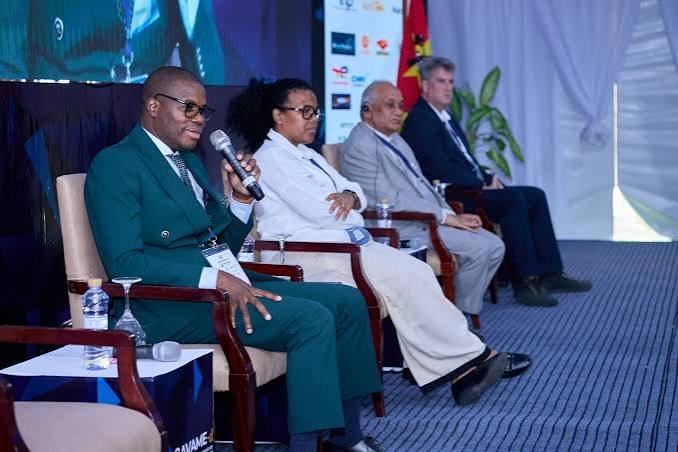
The initiative recently reached another milestone with the organisation of its inaugural Quality Excellence Forum, an event focused on helping domestic businesses improve their operations, meet industry requirements and take advantage of opportunities in the country’s expanding energy sector.
The forum brought together entrepreneurs, business representatives and industry stakeholders to discuss the challenges facing local companies, particularly their ability to meet quality standards and secure contracts in competitive supply chains.
The programme is backed by Empresa Nacional de Hidrocarbonetos (ENH), Mozambique’s national hydrocarbons company, as part of wider efforts to increase local participation in the oil, gas and energy industries.
Its growing activities reflect an ambition to ensure that the country’s major energy developments create opportunities not only for international investors but also for Mozambican-owned businesses.
Quality standards become a priority for local businesses
One of the major issues highlighted at the Quality Excellence Forum was the need for Mozambican SMEs to strengthen their quality management systems.
For smaller companies seeking to work with major energy operators and international contractors, having the necessary technical expertise is not always enough. Businesses must also demonstrate that their procedures, management systems, products and services meet recognised industry standards.
Certification readiness can therefore make an important difference when companies compete for procurement opportunities.
The forum provided an opportunity to examine how local enterprises can improve their internal processes, strengthen accountability and prepare for certification requirements.
By encouraging companies to adopt better operational practices, ENH-Linkar aims to help them become more reliable suppliers and improve their chances of securing business from larger organisations.
The initiative also recognises that quality improvement is not simply about obtaining certificates. It involves building stronger businesses capable of delivering consistent services, meeting deadlines and maintaining professional standards.
New financing partnership seeks to address SME funding challenges
Access to finance remains one of the biggest obstacles facing small businesses in Mozambique.
Many local enterprises struggle to obtain the funding needed to purchase equipment, expand their workforce, improve facilities or meet the requirements of major commercial contracts.
These difficulties can prevent otherwise capable businesses from participating in large-scale projects, particularly in industries where suppliers may need substantial resources before receiving payment.
The latest ENH-Linkar development includes a new financing partnership intended to improve opportunities for participating businesses.
The arrangement is expected to help address some of the financial barriers limiting SME expansion and provide a pathway for companies seeking resources to strengthen their operations.
For local entrepreneurs, improved access to funding could support investment in technology, workforce development and business infrastructure.
However, the long-term impact will depend on how the financing arrangement is implemented, the businesses that qualify and the scale of funding made available.
The development nevertheless represents an important step towards connecting business capacity-building efforts with the financial support required to turn growth plans into reality.
ENH-Linkar targets stronger participation in Mozambique’s energy industry
Mozambique possesses significant natural gas resources, attracting major international energy companies and investment proposals. However, ensuring that domestic businesses benefit from these developments remains a central challenge.
Large oil and gas projects require a broad range of services, including engineering, construction, transport, logistics, catering, equipment maintenance, inspection and specialised technical support.
Although international contractors have traditionally dominated many parts of the supply chain, Mozambican SMEs have the potential to provide some of these services if they can meet the required standards.
ENH-Linkar is designed to help close this gap by preparing domestic enterprises for commercial opportunities and connecting them with industry stakeholders.
The programme focuses on strengthening business management, improving technical and operational capacity, developing procurement readiness and expanding professional networks.
It also seeks to help participating companies understand the expectations of major operators, making it easier for them to compete for contracts.
Through these activities, ENH is working towards a stronger local business environment in which more of the economic benefits generated by the energy industry remain within Mozambique.
Building capacity beyond the oil and gas sector
Although the programme is closely connected to Mozambique’s hydrocarbons industry, the business skills being promoted could benefit companies operating in other sectors.
Improved financial management, quality control, procurement procedures and corporate governance are valuable across industries such as manufacturing, construction, transport, agriculture and professional services.
This broader approach could help participating businesses become more competitive beyond the energy market.
It also creates opportunities for companies to diversify their customer base rather than depend entirely on contracts from oil and gas operators.
For Mozambique, supporting a stronger SME sector is important because smaller enterprises play a role in employment creation, innovation and economic activity across different communities.
A business environment where local companies can access finance, develop skilled workers and compete for contracts could contribute to more sustainable economic growth.
Local content remains central to Mozambique’s energy ambitions
The expansion of Mozambique’s gas industry has increased attention on local content policies and the participation of domestic enterprises.
Major projects in the Rovuma Basin and other areas have the potential to generate substantial economic activity. However, the extent to which local businesses benefit will depend on their ability to provide services that meet international standards.
ENH-Linkar’s work is therefore closely connected to the country’s broader economic development objectives.
By improving the readiness of local companies, the programme seeks to make it easier for them to participate in procurement opportunities and establish relationships with established industry players.
The initiative also complements wider efforts to develop technical skills and strengthen the capacity of Mozambique’s private sector.
For businesses that have historically struggled to access large contracts, these connections could provide an important route into more competitive markets.
A stronger future for Mozambique’s SMEs
The inaugural Quality Excellence Forum and the financing partnership mark another stage in ENH-Linkar’s efforts to support local enterprises.
While certification readiness and access to funding are important, the programme’s overall success will ultimately depend on measurable outcomes, including more contracts for Mozambican companies, stronger businesses, additional employment and increased participation in major industrial projects.
The challenge is to ensure that training, business support and financing translate into practical opportunities rather than remaining limited to discussions and commitments.
For Mozambique, developing competitive SMEs is essential to building an economy that can benefit more broadly from its natural resources and investment potential.
With ENH-Linkar seeking to improve business standards, strengthen financing opportunities and connect local companies with industry demand, the programme could play an important role in giving domestic enterprises a stronger position in the country’s economic future.