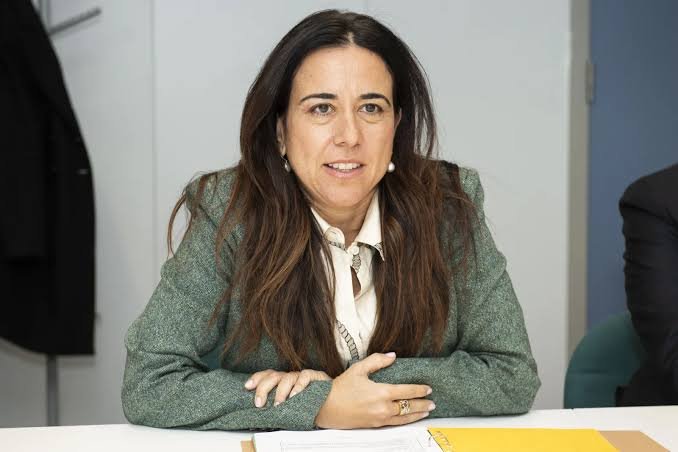
Morocco has announced its support for Emirati diplomat Lana Zaki Nusseibeh’s bid to become the next Secretary-General of the United Nations, adding to the international backing for her candidacy as the organisation prepares for a leadership change in 2027.
A source at Morocco’s Ministry of Foreign Affairs, African Cooperation and Moroccan Expatriates said the kingdom welcomed Nusseibeh’s nomination, citing her professional qualifications, diplomatic experience and record of service in international institutions.
The endorsement comes at a critical moment for the UN, which faces mounting pressure to respond effectively to armed conflicts, humanitarian emergencies and disagreements among major world powers.
Morocco said it believes Nusseibeh has the experience and vision needed to strengthen the organisation’s effectiveness and international standing. The kingdom also emphasised the importance of multilateral cooperation and the UN’s role in maintaining international peace and security.
Nusseibeh thanked Morocco for its support, saying she shared the kingdom’s view that the world needed stronger international cooperation and a more effective United Nations guided by its founding Charter.
UAE Puts Forward Experienced Diplomat for Top UN Position
The United Arab Emirates formally nominated Nusseibeh on October 21, 2026, launching her campaign to succeed António Guterres, whose second term as UN Secretary-General is scheduled to end on December 31, 2026.
Nusseibeh is a senior Emirati diplomat who previously served as the UAE’s permanent representative to the United Nations from 2013 to 2024. During that period, she became a prominent figure in multilateral diplomacy, representing her country in discussions on international security, humanitarian assistance and institutional reform.
Her diplomatic record includes serving as president of the UN Security Council during the UAE’s membership in 2022 and 2023. She also led the executive board of UN Women and participated in initiatives aimed at improving the effectiveness of international institutions.
The UAE has presented her experience in international negotiations as a major qualification for the secretary-general position. Her campaign centres on restoring confidence in the United Nations and strengthening its ability to address international crises through diplomacy.
If elected, Nusseibeh would become the first woman to lead the United Nations since its establishment in 1945. She would also be the first Emirati and Gulf Arab to hold the position.
Morocco Highlights the Need for Stronger Multilateralism
Morocco’s endorsement reflects its stated commitment to international cooperation and the role of the United Nations in addressing global challenges.
The organisation remains an important platform for diplomatic negotiations, humanitarian coordination and efforts to prevent conflicts from escalating. However, disagreements among powerful member states have frequently complicated attempts to reach consensus on major international issues.
Rabat’s support for Nusseibeh comes as countries consider what kind of leadership the UN will need in the coming years. Her supporters point to her experience in diplomacy and international institutions as strengths that could help the organisation navigate an increasingly divided global environment.
The endorsement does not determine the outcome of the selection process, but it adds Morocco’s voice to the diplomatic discussions surrounding the next secretary-general.
UN Leadership Race Remains Competitive
Despite the support from the UAE and Morocco, Nusseibeh faces a competitive selection process. The appointment of a secretary-general requires a recommendation from the UN Security Council, followed by approval from the General Assembly. The council’s five permanent members—the United States, China, Russia, France and the United Kingdom—each hold veto power.
The race has also raised broader questions about regional representation, the future of multilateral diplomacy and whether the organisation is ready to appoint its first female secretary-general.
Nusseibeh’s candidacy is likely to be assessed not only on her diplomatic experience but also on her ability to build trust among countries with competing political and strategic interests.
Her record representing UAE foreign policy could become part of that debate, particularly given international disagreements over the Middle East and Sudan. The UAE has denied allegations that it provided military support to Sudan’s paramilitary Rapid Support Forces, while critics have called for greater scrutiny of the issue.
These questions underline the challenges facing anyone seeking to lead the organisation at a time when global crises demand cooperation but geopolitical divisions often obstruct it.
What Morocco’s Support Means for the Campaign
Morocco’s endorsement strengthens Nusseibeh’s diplomatic outreach as the selection process continues. It also illustrates how support from individual countries can contribute to the wider effort to build backing for a candidate seeking one of the most influential positions in international diplomacy.
However, the final decision will depend on negotiations among Security Council members and the subsequent General Assembly process. No endorsement by a single country can guarantee success.
For Morocco, the announcement reinforces its public support for multilateral institutions and international cooperation. For Nusseibeh, it represents another diplomatic endorsement as she seeks to persuade UN member states that she can lead the organisation through a period of considerable uncertainty.
The coming weeks will be important in determining whether her experience, campaign priorities and growing international support can translate into the consensus required to become the next UN Secretary-General.