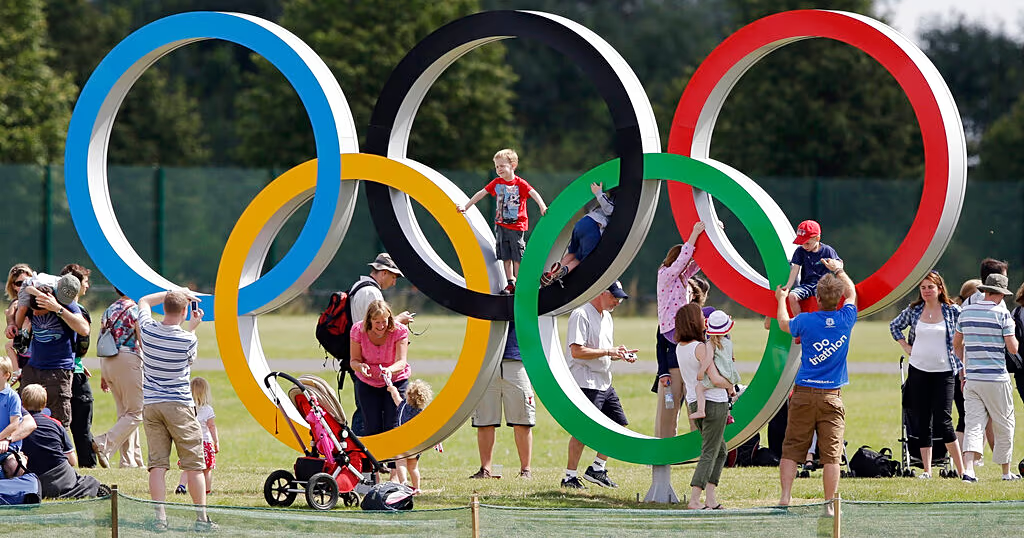
Senegal is making final preparations to welcome the world as Dakar gets ready to host the 2026 Youth Olympic Games, a landmark sporting event that will make the country the first in Africa to stage an Olympic competition.
With the opening ceremony scheduled for October 31, construction crews and organisers are working to complete preparations across the Senegalese capital and nearby host locations. The Games will run until November 13, bringing together around 2,700 young athletes to compete across 35 sports.
The event represents more than an international sporting competition. It is an opportunity for Senegal to showcase its organisational capacity, promote African sporting talent and inspire young people across the continent.
Dakar prepares to welcome young athletes from around the world

The Youth Olympic Games are designed for athletes aged 15 to 18. They offer young competitors an international platform to test themselves against peers from other countries while encouraging cultural exchange and the values of sport.
Dakar 2026 will be the fourth Summer Youth Olympic Games, following earlier editions in Singapore, Nanjing and Buenos Aires. Senegal was awarded hosting rights in 2018, but the competition was moved from its original 2022 date to 2026.
For Senegal, hosting the event is a historic moment. Although African athletes have achieved success at Olympic competitions abroad for decades, the continent has never before hosted an Olympic event.
A milestone for Senegal and the wider African continent
The significance of Dakar 2026 extends beyond the host country. Organisers and Olympic officials see the event as an opportunity to strengthen Africa’s place in international sport and demonstrate that the continent can deliver major competitions.
The Games are also expected to introduce more young people to sports that have received less attention in some African countries. Skateboarding, for example, is attracting interest among a growing number of young people in Senegal, and local skaters hope the Olympic spotlight will encourage wider participation and investment.
The event could also help encourage young athletes to pursue competitive sport and give local communities greater access to sporting activities.
For many Senegalese residents, the Games carry an additional personal meaning: the opportunity to witness an Olympic event at home rather than travelling abroad to experience one.
Three host locations will stage the competition

The competition will be spread across Dakar, Diamniadio and Saly, with facilities selected to accommodate different sporting disciplines.
Dakar will host events at venues including the Iba Mar Diop Stadium and locations along the city’s coastline. Diamniadio, a developing urban centre outside the capital, will also play a major role, while Saly will host beach and water sports.
Organisers have focused on using existing facilities alongside upgraded sporting infrastructure, rather than relying entirely on newly built venues. The approach is intended to make the Games more sustainable and leave useful facilities for communities after the event.
Completing preparations on time remains crucial. Venues must be ready not only for athletes but also for officials, volunteers, spectators and international visitors arriving for the competition.
Skateboarding and other sports could attract new audiences
The Youth Olympic Games are expected to provide a platform for established disciplines and sports that are still developing in parts of Africa.
Skateboarding is among the activities drawing attention in Dakar. Local enthusiasts hope the international event will help the sport gain recognition, encourage more young people to participate and create opportunities for training and development.
For emerging athletes, the Games offer an opportunity to learn from competitors from different countries and gain experience on an international stage. For local spectators, the event could also provide a chance to discover sports they may not regularly encounter.
Beyond competition, the Youth Olympics include educational and cultural activities intended to promote international understanding, respect and participation among young people.
Organisers hope the Games will create jobs and lasting benefits
The event is also being viewed as an opportunity to support Senegal’s economy. Hosting an international competition can generate demand for accommodation, transport, food services, event management and other businesses.
Young people may benefit through temporary employment, volunteering and training in areas such as logistics, venue management and hospitality. Previous preparations for Dakar 2026 have included programmes designed to develop the skills of young Africans involved in organising major sporting events.
However, the long-term value of hosting the Games will depend on how effectively these opportunities are developed and maintained. Facilities will need continued use, while skills gained by volunteers and workers should ideally translate into future employment and sporting opportunities.
The event’s legacy will therefore be measured not only by the quality of the competition but also by what remains for Senegalese communities once the visitors have left.
A new chapter for African sport
Dakar 2026 arrives at a time when African countries are increasingly seeking to host major international sporting events and strengthen their sports industries.
For Senegal, a successful Youth Olympic Games could improve its international profile and demonstrate its ability to organise a complex, multi-sport competition. It may also encourage greater investment in youth development, coaching and sporting facilities.
The event will not, by itself, resolve the wider challenges facing African sport, including unequal access to facilities and funding. Nevertheless, it creates an important opportunity to draw global attention to the continent’s young athletes and its potential for future sporting growth.
Senegal is entering the final stage of preparations for Dakar 2026, which will begin on October 31 and run through November 13. Around 2,700 young athletes are expected to compete across 35 sports in Dakar, Diamniadio and Saly.
As Africa’s first Olympic event, the Games represent a historic achievement for Senegal and the wider continent. Their lasting success will depend not only on the competition itself but also on whether the event inspires young athletes, supports local communities and leaves behind valuable sporting and economic opportunities.