Football in Morocco is far more than a competition for trophies. It is part of everyday life, bringing people together in cafés, homes, workplaces and stadiums while giving cities and communities a powerful sense of identity.
From the fierce contest between Casablanca’s two major clubs to the rivalry between Rabat and Casablanca, Moroccan football is shaped by historic matchups, passionate supporters and a national team capable of uniting fans across club loyalties.
These rivalries help explain why the country’s domestic league attracts such intense attention and why every major derby becomes an event that extends well beyond the 90 minutes on the pitch.
Wydad vs Raja: Casablanca’s Biggest Football Battle
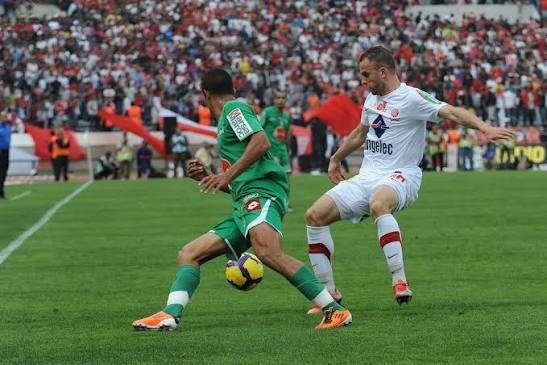
Few matches in Moroccan football generate as much excitement as the Casablanca derby between Wydad Athletic Club and Raja Club Athletic.
Founded in 1937, Wydad is traditionally associated with red and white, while Raja, established in 1949, is recognised by its green colours and strong connection to Casablanca’s working-class communities. Both clubs have developed large followings and built reputations through domestic success and performances in African competitions.
The teams share the Mohammed V Stadium, making their meetings especially significant for the city. Their supporters bring intense energy to derby day through chants, banners and elaborate displays known as tifos, which can transform entire sections of the stadium into coordinated visual spectacles.
The rivalry is not simply about winning a match. It reflects competing traditions, generations of family loyalties and the desire to claim bragging rights in Morocco’s largest city.
Both clubs have also enjoyed success beyond the domestic league, including multiple CAF Champions League titles. Their continental achievements have helped establish the Casablanca derby as one of Africa’s most recognisable club rivalries.
Raja vs AS FAR: A Clash of Footballing Powerhouses
Another major fixture in Moroccan football involves Raja Casablanca and AS FAR, the Rabat-based club associated with the Royal Armed Forces.
AS FAR was founded shortly after Morocco gained independence and has become one of the country’s most prominent football institutions. Its meetings with Raja carry significance because they bring together two successful clubs representing different cities and traditions.
The fixture is often described as the Moroccan Clasico, reflecting the standing of both sides and their history of competing for domestic honours.
Raja’s large supporter base and distinctive football culture meet AS FAR’s established competitive reputation, creating a contest that can have consequences for the league title race as well as supporters’ pride.
When these teams meet, the result can influence momentum for the remainder of the season. Their encounters also underline how Morocco’s biggest rivalries are tied to regional identity, not merely the clubs’ positions in the table.
Regional Clubs Add Depth to Moroccan Football
Although the Casablanca derby and the clashes involving AS FAR receive considerable attention, Moroccan football is not limited to a handful of major clubs.
Teams such as Maghreb de Fès (MAS), Kawkab Athletic Club of Marrakech, Hassania Agadir, Ittihad Tanger and Renaissance Sportive de Berkane represent cities and communities with their own histories and loyal supporters.
These clubs contribute to the diversity of the Botola Pro, Morocco’s top domestic league. Their ambitions can disrupt the plans of better-known teams, while memorable victories over traditional powerhouses can become defining moments for players and fans.
RS Berkane, in particular, has strengthened its reputation through its presence in African club competitions. Its progress reflects the growing ability of clubs outside the traditional centres of Moroccan football to compete on a larger stage.
Regional pride also gives matches a deeper meaning. Supporters often see their clubs as representatives of their hometowns, creating local traditions that survive changes in players, coaches and league standings.
The Atlas Lions Bring the Country Together
Club rivalries can divide Moroccan fans during the domestic season, but the national team offers a common cause.
Known as the Atlas Lions, Morocco’s national side has delivered several landmark achievements. The team won the Africa Cup of Nations in 1976 and became the first African nation to finish top of a World Cup group at the 1986 tournament in Mexico.
Its historic run to the semi-finals of the 2022 FIFA World Cup in Qatar further elevated Morocco’s standing in international football. The achievement made the country the first African and Arab nation to reach that stage of the men’s tournament.
Morocco’s subsequent progress at the 2026 World Cup in North America continued to fuel interest in the national team and its players.
During major international matches, supporters who normally wear different club colours gather behind the same flag. Celebrations in streets and public spaces demonstrate how football can create a shared national experience across different regions and communities.
The success of the Atlas Lions has also encouraged younger fans to learn more about the domestic clubs, academies and development pathways that help produce national-team players.
Social Media Has Changed How Fans Experience Rivalries
Moroccan football rivalries increasingly unfold both inside stadiums and online.
Supporters use social media to debate team selections, analyse performances, share highlights and exchange reactions before and after major matches. Digital platforms have made it easier for fans living outside Morocco to remain involved in the fortunes of their clubs.
Fantasy football, match predictions and other forms of online engagement have also added new dimensions to following the sport.
However, the intensity of rivalry can sometimes spill over into personal attacks or hostility between supporters. Respect for opposing fans and responsible behaviour remain important, particularly when online arguments become heated.
The most memorable rivalries are sustained by competition, atmosphere and history. Keeping those traditions centred on football helps preserve the appeal of the sport for future generations.
Morocco’s 2030 World Cup Ambitions
Morocco’s football story is also being shaped by its preparations to co-host the 2030 FIFA World Cup with Spain and Portugal. The tournament will mark 100 years since the first men’s World Cup, with additional centenary matches planned in South America.
Hosting the competition is expected to place renewed attention on Morocco’s stadiums, transport systems, sporting facilities and domestic football structure.
Infrastructure improvements and investment could provide opportunities for clubs, players, coaches and supporters. The event may also bring more international attention to the Botola Pro and the rivalries that make Moroccan football distinctive.
Yet the country’s football identity will continue to rest on its supporters and historic clubs as much as on major international tournaments.
The Wydad-Raja derby, Raja’s clashes with AS FAR and the regional contests across the country will remain central to the domestic game. They preserve the traditions that make Moroccan football emotionally important to millions of people.
Ultimately, the country’s football rivalries are part of a wider sporting culture built on local pride, historic competition and shared national ambition. When the Atlas Lions take the field, those differences often fade, allowing supporters from across Morocco to unite behind one team.