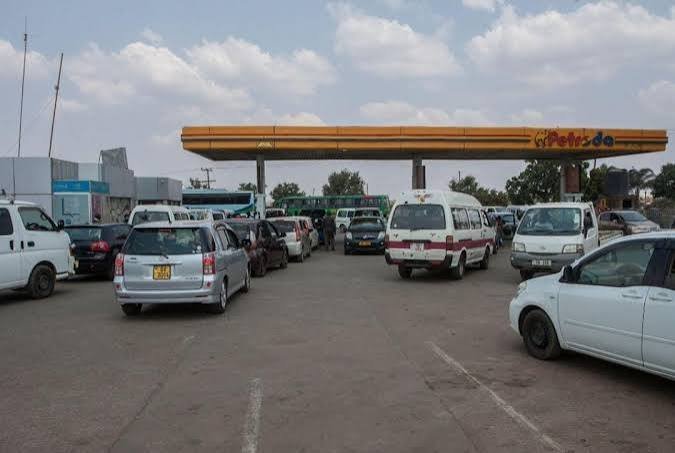
Malawi is facing another severe fuel shortage, forcing motorists to spend nights at petrol stations in the hope of refilling their vehicles while taxi and motorcycle operators struggle to earn a living.
The renewed crisis has disrupted transportation and daily economic activities across the southern African country, with drivers reporting long waits and difficulties securing petrol. In Blantyre, Malawi’s commercial capital, some motorists have remained at filling stations overnight as they wait for fuel deliveries.
The shortage has also left some commercial drivers without income for weeks, raising concerns about the impact on households and small businesses that depend on road transportation.
The situation has renewed questions about Malawi’s recurring fuel supply problems and the country’s ability to secure sufficient foreign currency to pay for imported petroleum products.
According to a Reuters report published on October 13, 2026, the government has attributed the latest disruption to a shortage of foreign exchange, while President Peter Mutharika is seeking international financial assistance to help stabilise the economy.
Motorists Spend Nights Waiting for Petrol
The shortage has created difficult conditions for drivers, many of whom have been forced to wait for extended periods without knowing when supplies will become available.
Some motorists have resorted to sleeping at petrol stations to improve their chances of purchasing fuel when deliveries arrive.
One driver, Harry Jim, told Reuters that he had spent the night at a filling station and was still waiting to refuel his vehicle.
His experience reflects the uncertainty facing motorists as the shortage continues to affect access to petrol.
For drivers who rely on their vehicles for work, the lack of fuel creates more than an inconvenience. It can prevent them from earning money, meeting family responsibilities and carrying out essential journeys.
The situation has also increased pressure on transport services, particularly in urban areas where many residents depend on taxis, minibuses and motorcycle operators to get to work or move goods.
Without reliable fuel supplies, transportation becomes less predictable, making it harder for people and businesses to plan their daily activities.
Motorcycle and Taxi Operators Lose Income
Commercial transport operators are among those suffering the most from the shortage.
Paul Christopher, a motorcycle rider who earns money by transporting passengers, said he had been unable to work for approximately three weeks because he could not obtain petrol.
His situation illustrates how fuel shortages can affect people who depend on daily earnings rather than fixed salaries.
For motorcycle taxi riders and other informal transport workers, every day without fuel can mean lost income and growing financial pressure.
Some operators may also struggle to repay loans, settle household bills or cover the costs of maintaining their vehicles while their businesses remain inactive.
Christopher told Reuters that any money earned once fuel became available would first have to go towards debts accumulated during the period of inactivity.
His experience highlights the wider economic consequences of fuel supply disruptions, particularly for workers with limited financial reserves.
When transport operators cannot work, the effects can spread to passengers, traders and other businesses that depend on affordable and reliable movement.
Fuel Crisis Returns After Temporary Improvement
Malawi has experienced repeated fuel shortages over several years, making the issue a persistent concern for motorists and businesses.
The availability of petrol was also a significant issue during the country’s previous election campaign.
The situation improved temporarily after President Peter Mutharika won the election and increased pump prices. However, the improvement did not last, with fuel shortages worsening again after the war involving Iran began in late February 2026.
The renewed disruption has raised concerns about the country’s vulnerability to changes in international energy markets and difficulties financing imports.
Higher global oil prices can increase the amount of foreign currency a country needs to purchase petroleum products. For a country already experiencing foreign exchange constraints, this can make it harder to maintain adequate supplies.
However, international market conditions are only part of the challenge. The availability of foreign currency, import financing and the efficiency of fuel procurement arrangements can also influence whether petroleum products reach filling stations consistently.
Malawi’s recurring difficulties suggest that restoring supplies during a crisis may not be enough to guarantee long-term stability.
Foreign Currency Shortage Blamed for Supply Problems
The Malawian government has identified a shortage of foreign exchange as a major factor behind the fuel crisis.
Because the country depends on imported petroleum products, fuel suppliers need access to foreign currency to pay international sellers.
When foreign exchange is scarce, importers may find it difficult to secure the funds required to purchase fuel, potentially delaying shipments and reducing supplies available to domestic consumers.
The consequences can extend beyond petrol stations. Fuel is essential for road transportation, agricultural activities, commercial distribution and several other areas of the economy.
If supplies remain limited, transportation costs may rise and businesses could face higher operating expenses.
Consumers may also experience additional pressure if transport operators increase fares to reflect the cost and difficulty of obtaining fuel.
For a country already dealing with economic challenges, prolonged fuel shortages can therefore intensify the financial difficulties facing households and businesses.
Mutharika Looks to IMF for Economic Support
President Mutharika is hoping that a new lending arrangement with the International Monetary Fund (IMF) will help stabilise Malawi’s economy and improve its financial position.
However, an agreement had not been reached at the time of the Reuters report.
The IMF said on October 7 that discussions with Malawian officials had made progress towards developing macroeconomic policies that could be supported through a new lending programme. The negotiations are part of broader efforts to address the country’s economic difficulties.
Financial support could help Malawi address some of its external financing pressures, depending on the terms of any eventual agreement and the policies adopted.
Nevertheless, securing an IMF programme would not automatically resolve every problem affecting fuel distribution. The government would still need to address the underlying causes of foreign exchange shortages and ensure that funds and import arrangements support reliable supplies.
The timing and details of any agreement will therefore be important to determining how much relief it can provide to the economy.
Fuel Shortages Threaten Wider Economic Activity
The continuing crisis demonstrates how a shortage of one essential commodity can affect several parts of the economy simultaneously.
Motorists face difficulties travelling, transport operators lose income, and businesses may struggle to move workers and goods.
Small businesses that depend on motorcycles, taxis and other vehicles for deliveries or customer services can also experience reduced activity when fuel is unavailable.
If the shortage continues, disruptions to transportation could contribute to higher operating costs and make everyday travel more difficult for ordinary residents.
The crisis also places pressure on people who have already lost several days or weeks of earnings.
For commercial drivers, returning to work may not immediately restore financial stability if they must first repay debts accumulated during the shortage.
These effects highlight the importance of reliable petroleum supplies to Malawi’s wider economic activity.
What Happens Next?
The immediate concern for motorists and transport operators is whether fuel deliveries will resume consistently and allow filling stations to serve customers without lengthy delays.
A lasting improvement will depend partly on the country’s ability to obtain the foreign currency needed to finance imports.
Progress towards an IMF-supported programme could help address broader economic pressures, but the outcome will depend on negotiations and the implementation of any agreed measures.
The government will also face pressure to improve the reliability of fuel procurement and distribution so that shortages do not repeatedly disrupt daily life.
For now, Malawi’s motorists continue to face uncertainty, while commercial drivers and small businesses bear the financial consequences.
The latest crisis serves as another reminder that stable fuel supplies are essential to transportation, employment and economic activity in a country heavily dependent on imported petroleum products.