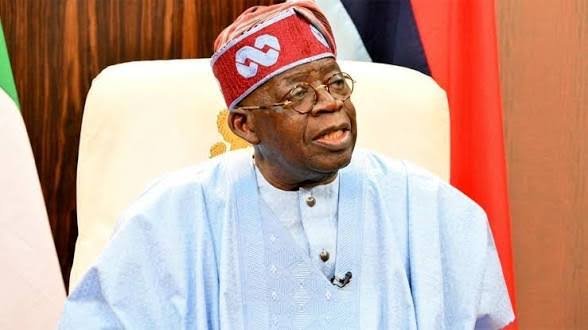
President Bola Tinubu has announced plans to expand affordable public transportation in Nigeria through a partnership with Chinese bus manufacturer Yutong, which is expected to supply 300 compressed natural gas (CNG)-powered buses and establish a local assembly operation in Oyo State.
The initiative is part of the Federal Government’s broader efforts to reduce transportation expenses for Nigerians, promote cleaner energy alternatives and strengthen the country’s automotive manufacturing sector.
According to a statement released by the Presidency on Thursday, November 19, 2026, the planned investment will support the National Affordable CNG Transit Programme, which aims to reduce transport fares by approximately 40 per cent on participating routes between 2027 and 2031.
The programme is being implemented in collaboration with state governments as part of Tinubu’s Renewed Hope Agenda 2.0.
Yutong to Supply 300 CNG Buses to Nigeria
Under the agreement with the Presidential Initiative on Compressed Natural Gas and Electric Vehicles (Pi-CNG & EV), Yutong is expected to supply an initial 300 CNG-powered buses to support the Federal Government’s transportation programme.
The first batch of 100 buses is expected to arrive in Lagos by the end of December 2026, while the remaining vehicles will be assembled locally.
The planned assembly operation will be established through YP Automobiles Bus Assembly at the former Leyland Automotive plant in Ibadan, Oyo State.
The move is expected to strengthen local vehicle assembly capacity, reduce reliance on imported commercial buses and create employment opportunities for Nigerian engineers, technicians and other skilled workers.
Yutong, which reportedly sold 49,518 buses globally in 2025, is one of the world’s leading manufacturers of commercial buses, with experience in public transportation and vehicle assembly operations across several international markets.
Tinubu Targets 40% Reduction in Transport Fares
The Federal Government says the primary objective of the new initiative is to make transportation more affordable for Nigerians, particularly workers, students, traders and families who depend on commercial vehicles daily.
Tinubu noted that transportation costs have become a significant burden for many households, with commuters spending a considerable portion of their income travelling to work, markets, schools and other destinations.
The President said the lower operating costs associated with CNG-powered vehicles should translate into cheaper fares for passengers rather than benefits being retained exclusively by transport operators.
The administration is targeting an approximately 40 per cent reduction in fares on participating routes under the National Affordable CNG Transit Programme.
However, the proposed reduction is not expected to apply automatically to every commercial transport route in the country, as the programme will depend on participating operators, available buses and the expansion of supporting infrastructure.
Government Highlights Existing CNG Transport Benefits
Tinubu also pointed to some existing CNG transportation initiatives in different parts of the country, which he said were already providing relief to commuters.
The President cited the Enugu-Nsukka route, where passengers using participating CNG bus services reportedly pay N1,600 compared with fares that previously reached N4,000.
He also referenced subsidised bus services in Borno State, where passengers reportedly pay N50 for certain journeys, as well as free CNG bus services in Kaduna State.
According to the Presidency, such initiatives demonstrate the potential of alternative-fuel transportation to reduce the cost of commuting when supported by government investment and cooperation with transport operators.
The administration is also encouraging state governments to procure CNG-powered buses and expand affordable transportation services in their respective areas.
Nigeria Expands CNG Refuelling Infrastructure
The planned Yutong investment comes as the Federal Government continues efforts to develop Nigeria’s CNG infrastructure to support the growing adoption of gas-powered vehicles.
Tinubu said the government had deployed mobile refuelling units and directed the development of additional CNG refuelling infrastructure nationwide.
The expansion is expected to improve access to gas for commercial transport operators and make it easier for businesses and fleet owners to adopt CNG-powered vehicles.
Private investors and government-backed programmes are also expected to contribute to the development of refuelling facilities as Nigeria seeks to reduce dependence on petrol and diesel for transportation.
Despite the potential benefits, the expansion of CNG transportation will depend on the availability of refuelling stations, vehicle maintenance facilities, reliable supply systems and the ability of transport operators to acquire and operate the buses.
Local Assembly Could Boost Nigeria’s Automotive Industry
The planned assembly facility in Ibadan could also provide a boost to Nigeria’s automotive industry, which has faced challenges involving production costs, imported components, financing and limited industrial capacity.
The revival of operations at the former Leyland plant could create opportunities for local technical workers, suppliers and businesses involved in vehicle maintenance and related services.
The extent of the industrial benefits, however, will depend on how much of the production process is eventually carried out locally, including the development of component suppliers and technical expertise.
Tinubu said the government remains committed to easing the economic pressure on Nigerians through investments in transportation, infrastructure and manufacturing.
With the first 100 buses expected by the end of December 2026, attention will now turn to the delivery of the vehicles, the commencement of local assembly and the implementation of the proposed fare reductions.
For Nigerian commuters, the success of the initiative will ultimately depend on whether the programme delivers sustained and measurable reductions in the cost of daily transportation.