Nvidia co-founder Jensen Huang’s resignation has prompted a campaign urging the company to reinstate him, even as questions remain about reported relationships, a suspected foreign intelligence effort and possible diversion of advanced chips to China.
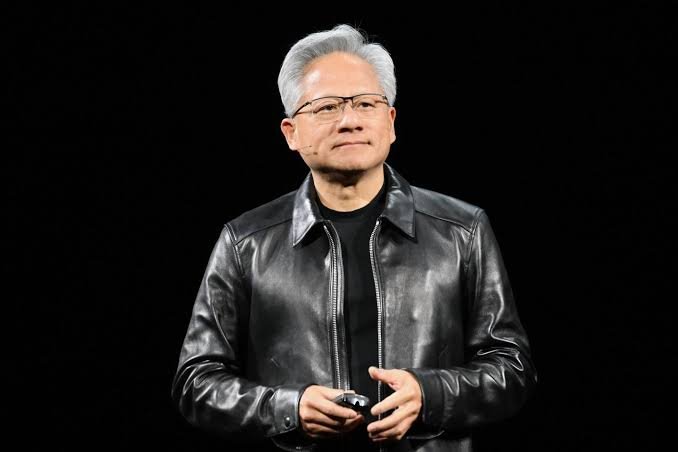
Nvidia announced on November 12 that Huang had resigned as president, chief executive and a member of the board, effective immediately. The company’s filing says the board accepted his resignation the previous day. Chief Financial Officer Colette Kress was named interim CEO while directors search for a permanent successor.
The departure followed reports about Huang’s relationship with Alice Huang, a former executive at Singapore-based Megaspeed International, and a separate alleged relationship with an Nvidia employee. Jensen and Alice Huang are not related. Reports citing US intelligence sources said Alice Huang was suspected of gathering information for Beijing, an allegation China has rejected. The allegations have not been publicly established as fact.
Nvidia said it had launched an independent investigation after reports that Huang had been the target of a foreign intelligence effort. According to the Associated Press, the company said at the time it had no reason to believe that national security or Nvidia’s proprietary information had been compromised.
Singapore’s official account adds an important distinction. Its Ministry of Home Affairs said Alice Huang was investigated over possible domestic offences connected to Megaspeed’s server purchases and declarations, but was not investigated for espionage. Authorities said they found insufficient evidence that she had committed offences related to the suspected inaccurate declarations. They said she received a stern warning and was barred from re-entering Singapore after providing information officials assessed she knew was inaccurate. Singapore said its investigations into Megaspeed and six other people are continuing.
The Megaspeed inquiry concerns whether servers exported through Singapore to Malaysia may later have been routed elsewhere, contrary to declarations made in Singapore. The ministry said Singapore was investigating possible violations of its own laws and sought information from other jurisdictions. It also stressed it does not enforce other countries’ export-control rules.
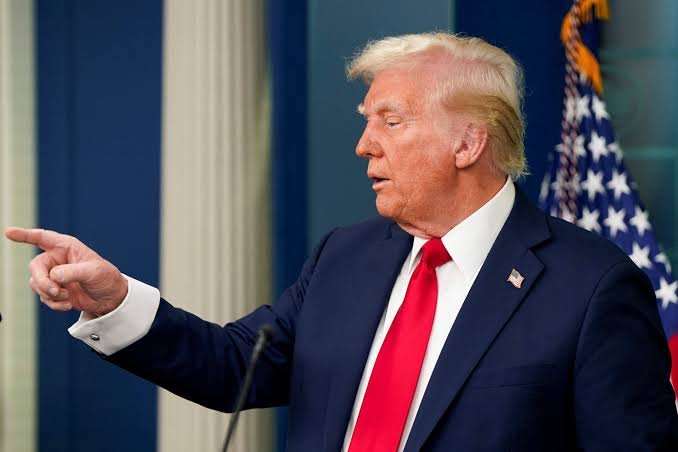
Since Huang’s departure, some technology executives, investors and people identifying themselves as Nvidia employees have signed an open letter calling for his return while an independent review proceeds. Reuters reported that the petition had attracted more than 180,000 signatures by November 16. US President Donald Trump said he would not oppose Huang’s reinstatement, while SpaceX and Tesla chief Elon Musk also backed the campaign.
That public support has not translated into a reported change in the board’s position. The Associated Press reported that a person familiar with the board’s thinking said it was not considering Huang’s return. Reuters likewise reported that the board was not weighing a comeback, citing people familiar with the matter. Nvidia has not announced a decision to reinstate him.
The controversy has also broadened beyond Huang’s personal conduct. US lawmakers have called for scrutiny of Nvidia’s business with China and the company’s compliance with export restrictions on advanced artificial-intelligence chips. The questions are especially sensitive because Nvidia’s processors are widely used to build AI systems, while US policy limits the sale of some advanced chips to Chinese customers.
At the same time, claims about espionage and chip diversion must be separated from confirmed findings. US intelligence-linked allegations about Alice Huang remain disputed; Singapore said it did not investigate her for espionage and found insufficient evidence of the domestic offences it examined. The available public information also does not establish that Nvidia knowingly violated export controls.
For Nvidia, the immediate corporate issue is succession. The company says Kress will remain CFO while serving as interim chief executive, and the board will consider internal and external candidates for the permanent role. Its public announcement said it expected operations, customer commitments and its product roadmap to continue without interruption.
The next stages will include the company’s internal review, any government inquiries and the board’s search for a permanent leader. Until those processes produce further public findings, the case remains a developing story involving allegations, investigations and competing calls over whether Huang should return.