Egypt and Sudan have renewed their commitment to closer military and diplomatic cooperation, warning against unilateral actions over Nile water management and reaffirming their readiness to protect their shared strategic interests.
The position followed high-level talks in Cairo on November 2, 2026, where officials from both countries discussed water security, Sudan’s ongoing conflict, regional stability and security arrangements in the Red Sea.
The meeting brought together the foreign affairs and irrigation ministers of both countries under the third round of their joint “2+2” consultation mechanism.
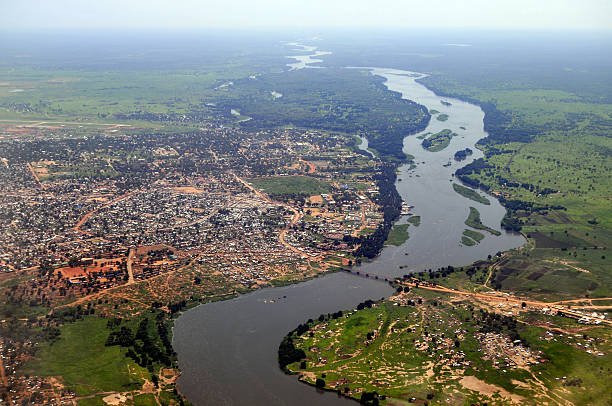
Egyptian Foreign Minister Badr Abdelatty and Irrigation Minister Hani Sewilam met their Sudanese counterparts, Mohieldin Salem and Ismat Qurashi, for discussions taking place against the background of long-running disagreements with Ethiopia over the management of the Nile River.
In a joint statement issued after the meeting, Egypt indicated that it was prepared to rely on international law and the existing mutual defence agreement with Sudan to protect Sudanese sovereignty.
The two governments also reiterated that their national water security interests were closely connected and required continued coordination.
Egypt reaffirms commitment to Sudan’s security
A major outcome of the Cairo discussions was Egypt’s renewed assurance that it would support Sudan’s national security and territorial integrity.
The Egyptian government also warned against attempts to establish parallel authorities in Sudan, a position reflecting its support for the country’s existing state institutions.
Cairo said it was prepared to take measures under the Joint Defence Agreement if necessary, although the statement did not announce any immediate military deployment or new operation.
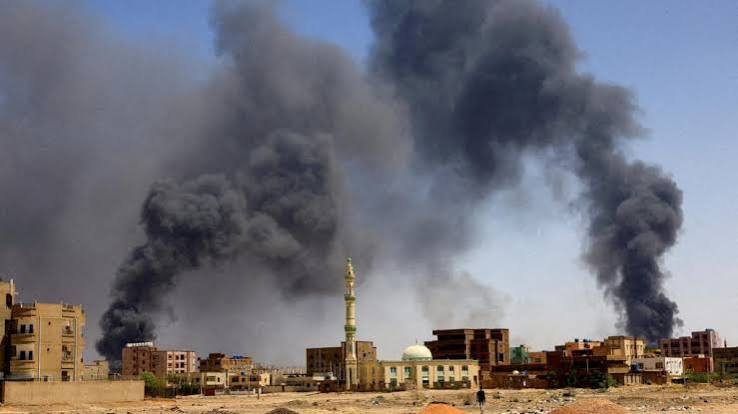
The renewed commitment comes as Sudan continues to face a devastating war between the Sudanese Armed Forces (SAF) and the paramilitary Rapid Support Forces (RSF), which began in April 2023.
The conflict has weakened state institutions, displaced millions of people and created concerns among neighbouring countries about the wider consequences for regional stability.
For Egypt, developments in Sudan have significant implications because of their geographical proximity, shared Nile water interests and the security of the southern border.
The latest meeting therefore provided an opportunity for both governments to reaffirm their position on Sudan’s sovereignty while discussing practical areas of cooperation.
Grand Ethiopian Renaissance Dam remains major concern
The dispute surrounding Ethiopia’s Grand Ethiopian Renaissance Dam (GERD) featured prominently in the discussions.
Egypt and Sudan have repeatedly expressed concerns about how the dam is filled and operated, arguing that decisions affecting the flow of the Nile should be coordinated with downstream countries.
During the latest meeting, the two governments criticised what they described as Ethiopia’s uncoordinated operation of the dam and called for a return to negotiations based on consultation and prior notification.
They maintained that Addis Ababa should engage in consensus-based arrangements to address concerns about water management and the potential impact on downstream supplies.
The ministers also reaffirmed their support for the 1959 Nile Waters Agreement and called for stronger logistical and technical assistance to the Permanent Joint Technical Commission for Nile Waters.
The commission plays an important role in cooperation between Egypt and Sudan on matters relating to the shared river system.
The joint statement stressed that the GERD dispute should be addressed through discussions involving Egypt, Sudan and Ethiopia rather than drawing other Nile Basin countries into the disagreement.
At the same time, the two governments said their concerns over the dam should not undermine their longstanding relations with the Ethiopian people.
Nile Basin negotiations and regional cooperation
Beyond their disagreement with Ethiopia, Egypt and Sudan expressed support for efforts to restore broader cooperation among countries sharing the Nile Basin.
They backed the consultative process surrounding the Cooperative Framework Agreement, an initiative involving Uganda, Rwanda and South Sudan aimed at addressing disagreements over the framework for managing shared Nile waters.
The wider dispute has exposed competing positions among countries in the basin over water allocation, development projects and the principles governing the use of the river.
Egypt and Sudan have traditionally maintained that changes to the river’s flow should be based on agreements that protect the interests of downstream countries.
Other Nile Basin states have argued for a broader framework that recognises their development needs and rights to utilise shared water resources.
The latest Cairo statement suggests that Egypt and Sudan intend to continue supporting diplomatic efforts while maintaining their position on the importance of prior consultation.
Drone attacks on Sudanese infrastructure condemned
The discussions also addressed attacks on critical infrastructure in Sudan amid the ongoing war.
Both governments condemned drone strikes targeting electricity and water facilities, particularly attacks that have disrupted essential services and affected civilians.
They reiterated their support for the Sudanese Armed Forces in protecting the country’s national infrastructure and water resources.
Sudan has recently experienced a series of drone attacks on power distribution stations and other energy facilities, resulting in widespread electricity disruptions across several states.
The attacks have affected hospitals, water supply systems and other essential services, increasing pressure on communities already struggling with the consequences of war.
Sudanese authorities have accused the RSF of carrying out several of the attacks and have also alleged that neighbouring Ethiopia facilitated some drone operations. Those allegations remain disputed and should be distinguished from independently established findings.
The Egyptian-Sudanese statement did not announce a new joint military operation but highlighted the importance of protecting infrastructure considered essential to national security.
Egypt offers technical assistance for Sudan’s water sector
The two countries also discussed cooperation aimed at supporting Sudan’s water infrastructure and rebuilding institutions affected by the conflict.
Egypt commended its ongoing work at the Jebel Aulia Dam, where Egyptian engineers are assisting local personnel with maintenance and technical activities.
The facility is an important part of Sudan’s water management system, making its maintenance relevant to the country’s agricultural and irrigation activities.
Cairo also agreed to organise urgent training programmes for Sudanese irrigation workers to strengthen technical capacity and support the recovery of institutions responsible for water management.
The proposed training is expected to help Sudanese professionals improve their skills as the country prepares for the eventual rehabilitation of damaged infrastructure.
Such cooperation could become increasingly important as Sudan attempts to restore public services and rebuild essential facilities after years of conflict.
Red Sea security becomes another priority
Maritime security was another major issue discussed during the meeting.
Egypt and Sudan maintained that responsibility for governing the Red Sea should remain with countries that have coastlines along the strategic waterway.
They opposed arrangements involving non-coastal countries that could threaten port security or increase militarisation in the region.
The Red Sea is an important international shipping corridor connecting the Mediterranean Sea with the Indian Ocean through the Suez Canal and Bab el-Mandeb Strait.
Its strategic importance has increased amid regional conflicts, maritime security concerns and competition over access to ports and naval facilities.
For Egypt and Sudan, developments in the Red Sea have direct implications for trade, national security and regional stability.
Their latest position reflects a shared interest in ensuring that maritime arrangements respect the role of coastal states.
A stronger partnership amid regional uncertainty
The Cairo meeting highlights the growing importance of cooperation between Egypt and Sudan as both countries face overlapping security and economic challenges.
While the Nile dam dispute remains unresolved, the two governments appear determined to maintain a coordinated position on water management, Sudan’s sovereignty and Red Sea security.
The reaffirmation of their defence agreement also sends a diplomatic signal about the importance they attach to their bilateral relationship.
However, the discussions have not produced a new settlement with Ethiopia over the GERD, nor have they resolved the wider conflict in Sudan.
For now, both countries are seeking to strengthen their existing partnership through diplomatic engagement, technical assistance and security coordination.
The effectiveness of these commitments will depend on whether continued dialogue can produce practical arrangements that reduce regional tensions and protect the interests of the countries involved.