Women leaders from across Africa have called for stronger partnerships, better access to financial resources and greater collaboration to expand women’s participation in business, politics and other areas of leadership.
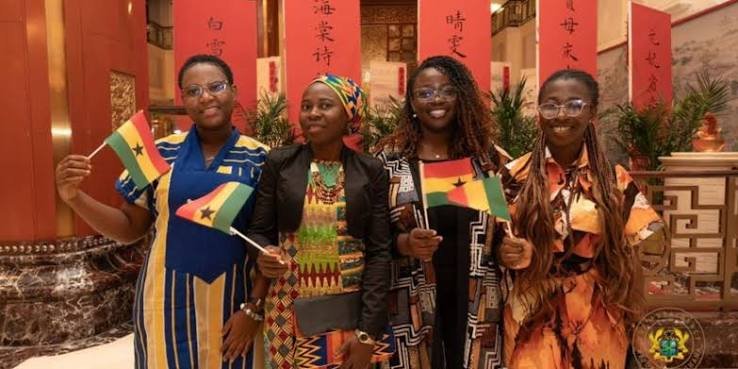
The call was made at a Women’s Leadership Breakfast held in Accra, Ghana, on October 27, 2026. The gathering brought together prominent female leaders and stakeholders to discuss practical ways to improve opportunities for women and support Africa’s social and economic development.
The event featured Ghana’s Vice President, Professor Jane Naana Opoku-Agyemang; former Malawi President Joyce Banda; and former Mauritius President Ameenah Gurib-Fakim. It was hosted by Olori Ivie Atuwatsè III, Queen Consort of the Warri Kingdom in Nigeria.
The discussions focused on a persistent challenge across the continent: although women contribute significantly to their communities and national economies, many continue to face barriers to finance, resources and decision-making positions.
Leaders Call for Practical Action Beyond Speeches
Participants stressed that advancing women’s empowerment requires more than public commitments. They called for stronger support networks, mentorship opportunities, strategic partnerships and improved access to resources that enable women to build businesses and take on leadership roles.
The meeting highlighted the importance of turning discussions into practical initiatives that can help women overcome barriers in entrepreneurship, governance and professional development.
Vice President Opoku-Agyemang argued that women’s contributions have often gone unrecognised despite their longstanding role in sustaining households, running businesses and supporting local economies. She said governments and institutions must create systems that allow women to participate fully and benefit fairly from development opportunities.
The message from the gathering was clear: women’s advancement should be treated as a shared development priority rather than an issue that women must tackle alone.
Opoku-Agyemang Highlights Barriers to Women’s Economic Progress
In her remarks, Opoku-Agyemang emphasised the need for a comprehensive approach to women’s entrepreneurship, noting that access to finance alone cannot guarantee business success.
She highlighted the importance of business development support, financial literacy, personal development and access to productive resources such as land and credit. Without these foundations, many women may struggle to grow their businesses, create employment or compete effectively in the wider economy.
The vice president also pointed to policy measures introduced in Ghana to improve social protection and gender equality, including the country’s affirmative action framework. She stressed that effective implementation is essential if these policies are to deliver tangible benefits.
She further referred to plans for a Women’s Development Bank intended to help address financial barriers faced by women seeking to expand their economic activities. The broader goal, she indicated, is to ensure that women who already possess the skills and ambition to succeed have access to the opportunities and support they need.
Her remarks placed particular emphasis on the difference between adopting policies and ensuring that those policies improve women’s everyday lives.
Former African Presidents Urge Women to Support One Another
Former Malawi President Joyce Banda and former Mauritius President Ameenah Gurib-Fakim were among the prominent figures participating in the discussions.
Gurib-Fakim encouraged women to recognise one another’s achievements and build stronger relationships across professional, political and national boundaries. She stressed that women contribute significantly to economic development and should actively support others working to improve their communities.
Such cooperation, participants suggested, can help women gain access to professional networks, share experience and identify opportunities that may otherwise remain out of reach.
Women’s leadership networks can also provide mentorship for younger women and help those entering politics, business and public service navigate challenges that frequently limit their advancement.
The discussions reflected the view that progress will require participation from governments, businesses, civil society organisations and traditional institutions, alongside women themselves.
Women Allying Women Ghana Chapter Launched
A key development at the gathering was the launch of the Ghana chapter of Women Allying Women, an initiative designed to strengthen connections among women and encourage collective action.
The initiative aims to provide a platform for women to share experiences, establish strategic partnerships and increase their influence in leadership and decision-making spaces.
Olori Ivie Atuwatsè III, co-founder of Elevate Africa, described the launch as an important step towards expanding opportunities for women in Ghana and across the continent. She said empowering women could contribute to Africa’s broader development goals.
The new chapter is expected to encourage collaboration between women from different professional backgrounds and help create opportunities for collective advocacy and leadership development.
Its impact will ultimately depend on whether the initiative can turn its objectives into sustained programmes, meaningful partnerships and practical support for women facing economic and social barriers.
Why Women’s Empowerment Matters to Africa’s Development
Women’s empowerment remains closely connected to Africa’s efforts to promote inclusive economic growth, reduce poverty and strengthen public institutions.
When women have better access to education, finance, land and employment, they are better positioned to establish businesses, support their families and contribute to national development. Greater representation in leadership can also help ensure that policies reflect the needs and experiences of a wider section of society.
However, progress remains uneven. Women across many African countries continue to face limited access to capital, unequal representation in decision-making, discrimination and social expectations that restrict their opportunities.
The Accra gathering highlighted the importance of addressing these challenges through coordinated action rather than isolated initiatives. Governments can strengthen policies and improve access to resources, while private companies, community organisations and professional networks can help expand mentorship, training and employment opportunities.
The event also reinforced the importance of recognising women who are already leading in markets, businesses, communities and public institutions, even when their contributions receive limited attention.
A Shared Agenda for Women’s Leadership
The meeting in Accra brought together influential women to promote a common goal: ensuring that African women have greater opportunities to shape the continent’s future.
From improving access to finance to building stronger professional networks, participants identified several areas where cooperation could make a difference. The launch of Women Allying Women’s Ghana chapter provides an additional platform through which women can connect, exchange ideas and pursue shared objectives.
The next challenge will be translating these commitments into measurable results, including more women-led businesses, improved access to economic resources and stronger representation in leadership.
Ultimately, empowering women is not only a question of equality. It is also an investment in Africa’s economic resilience, institutional development and future prosperity.