Niger has introduced restrictions on petrol and diesel exports in an effort to protect domestic supplies as fuel shortages disrupt distribution across the country, including in the capital, Niamey.
The decision requires locally produced fuel to be prioritised for Nigerian domestic consumption—Nigerien consumers and businesses first—before any surplus can be sold abroad. The measure is intended to ensure that available supplies reach local filling stations amid growing concerns about shortages affecting motorists, transport operators and other fuel-dependent businesses.
Niger’s Minister of Trade and Industry, Abdoulaye Seydou, signed the order on October 12, 2026. The government made the decision public on October 17, according to the Nigerien Press Agency. Under the directive, exports of premium petrol and diesel are prohibited unless excess production is available and special authorisation is granted by the minister responsible for trade.
The move comes as authorities face pressure to improve fuel availability and address disruptions affecting the country’s petroleum supply chain.
Niger Prioritises Local Fuel Supply
Under the new order, domestically produced petrol and diesel must first be used to meet the needs of Niger’s domestic market.
The directive also establishes an exception for surplus supplies. The state-owned Nigerien Petroleum Products Company, known as SONIDEP, and the Zinder Refining Company, or SORAZ, may export excess fuel only after obtaining special permission from the trade minister.
The restriction is designed to prevent fuel from leaving the country when local consumers are struggling to obtain sufficient supplies.
Government officials, customs personnel and defence and security forces have been authorised to monitor compliance and take action against violations under the country’s existing laws.
The measure represents an attempt to give domestic distribution priority over foreign sales while Niger works to stabilise its fuel market.
Fuel Shortages Spread to Niamey
The export restriction comes as fuel supply problems have begun affecting more parts of Niger, including Niamey, where motorists and motorcyclists faced long queues at petrol stations on Sunday, October 18.
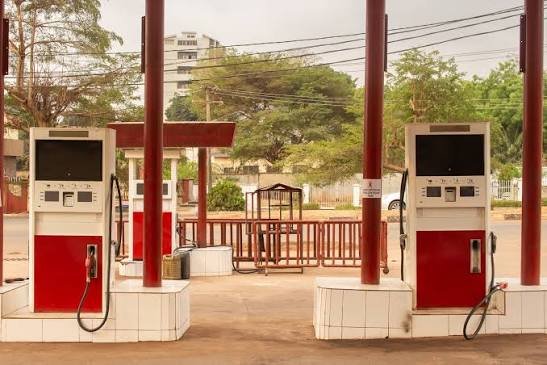
Reports indicated that some filling stations had run out of fuel, with several operators saying their storage tanks had been empty for days. A list of stations still selling fuel attracted large numbers of customers, highlighting the pressure on the capital’s remaining supplies.
The shortages have raised concerns among residents who depend on petrol for private transportation and commercial activities. Transport operators, traders and other businesses could also face additional difficulties if supply disruptions continue.
Although the export ban is intended to reserve more fuel for the domestic market, it remains to be seen how quickly the measure will translate into improved availability at filling stations.
Niger Faces a Growing Gap Between Fuel Supply and Demand
Official figures cited in recent reporting point to a significant imbalance in Niger’s fuel market.
According to figures released by the country’s petroleum ministry, Niger recorded a petrol supply deficit of approximately 196.62 million litres during the first eight months of 2026. The reported diesel deficit over the same period stood at about 52.60 million litres.
These shortages suggest that the problem extends beyond the movement of fuel across national borders. Production, distribution and the management of available supplies are also important factors in the country’s ability to meet domestic demand.
Niger produces crude oil and operates a refinery in Zinder, but having domestic oil resources does not automatically guarantee that enough refined petrol and diesel will be available to consumers.
Refining capacity, maintenance requirements, transportation arrangements and the distribution of finished products all affect the amount of fuel that ultimately reaches filling stations.
The latest export restrictions are therefore one part of a broader effort to address the country’s fuel supply difficulties.
SONIDEP and SORAZ Face Greater Pressure
The new directive places SONIDEP and SORAZ at the centre of the government’s efforts to stabilise the domestic market.
SONIDEP is the state-owned company responsible for petroleum product procurement, storage, distribution and marketing. SORAZ operates Niger’s refinery in Zinder and supplies refined petroleum products.
Under the new arrangement, the companies must prioritise domestic requirements before seeking approval to export any surplus production.
The policy could help authorities exercise greater control over how locally produced fuel is allocated. However, its effectiveness will depend on whether sufficient quantities can be produced, transported and distributed to meet consumer demand.
It will also depend on coordination between the companies and government agencies responsible for managing the petroleum sector.
Enforcement Measures Introduced to Prevent Illegal Exports
Niger’s government has authorised relevant officials to enforce the export restrictions and address violations.
Personnel from the Ministry of Trade and Industry, customs authorities and defence and security agencies are empowered to identify and penalise breaches in accordance with applicable laws.
The enforcement provisions are intended to ensure that fuel allocated for the domestic market is not exported in violation of the new rules.
Effective monitoring will be important, particularly where fuel distribution involves multiple companies, transporters and storage facilities.
Nevertheless, enforcement alone may not resolve the shortages if production levels and distribution arrangements remain insufficient to meet national demand.
What the Export Ban Means for Niger’s Economy
Fuel shortages can affect several sectors of the economy, from public transportation and agriculture to manufacturing and electricity generation.
When petrol becomes difficult to obtain, drivers may spend more time searching for supplies, while transport operators can face interruptions to their services. Businesses that rely on fuel-powered vehicles and equipment may also experience higher operating costs.
Diesel shortages can create additional difficulties for freight operators, industrial businesses and electricity producers that depend on diesel-powered generators.
If the supply crisis continues, these pressures could affect commercial activity and household spending. However, the extent of the economic impact will depend on how long the disruptions last and how effectively the government restores regular distribution.
By restricting exports, Niger’s authorities are seeking to ensure that domestic consumers receive priority access to available fuel. Whether this will be enough to resolve the current difficulties will depend on improvements throughout the supply chain.
Can Niger Resolve Its Fuel Crisis?
The export ban demonstrates the government’s determination to prioritise domestic fuel availability, but it does not by itself guarantee an immediate end to shortages.
The country will also need to address the factors affecting production, procurement, transportation and distribution. Reliable supply arrangements and effective coordination between petroleum companies and public authorities will be essential to restoring normal operations.
For consumers in Niamey and other affected areas, the immediate priority is straightforward: ensuring that filling stations receive enough fuel to meet everyday demand.
Niger’s decision to restrict petrol and diesel exports is an important response to its worsening supply problems, but the lasting solution will depend on whether the country can close the gap between fuel availability and domestic consumption.