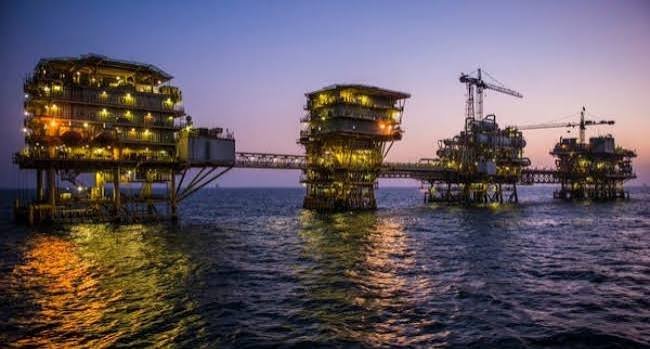
Liberia has launched its 2026 oil and gas licensing round, offering international energy companies opportunities to negotiate for 29 offshore blocks as the West African country seeks to attract investment and explore its untapped petroleum resources.
The initiative, announced on Wednesday, October 14, 2026, is part of the government’s efforts to establish a viable oil industry and encourage exploration in the country’s offshore waters. Liberia currently has no commercial oil production, making the search for viable petroleum reserves an important part of its energy development strategy.
According to Reuters, the Liberia Petroleum Regulatory Authority (LPRA) unveiled the opportunities during an energy industry conference in Cape Town, South Africa. The presentation focused on exploration prospects in the Liberia and Harper basins, two offshore areas the government hopes will attract interest from international oil companies.
By opening the licensing process, Liberia is seeking to encourage companies with the financial resources, technical expertise and offshore experience required to assess the country’s petroleum potential. However, the availability of exploration blocks does not guarantee that commercially viable oil or gas deposits will be discovered.
Liberia Targets International Oil Companies
The latest licensing round is designed to give qualified energy companies an opportunity to negotiate directly for available offshore acreage.
Liberia is competing with other emerging petroleum jurisdictions to attract investment at a time when exploration companies are assessing opportunities across Africa’s Atlantic coastline.
The country’s petroleum regulator is promoting the geological potential of its offshore basins and seeking investors willing to commit funding to exploration programmes.
Developing an oil industry requires more than identifying promising geological structures. Companies must conduct technical assessments, gather seismic data, drill exploration wells and determine whether any discoveries can support commercial production.
These activities can require substantial capital and years of work before a project generates revenue. For Liberia, attracting investors with the necessary technical and financial capacity will therefore be crucial to advancing its petroleum ambitions.
The licensing process also provides an opportunity for the government to establish relationships with potential operators and encourage competition for promising offshore acreage.
Nevertheless, the ultimate outcome will depend on investors’ assessments of the available geological information, the commercial terms offered and the risks associated with exploration.
Harper Basin Draws Attention Following Regional Oil Discoveries
One of the areas attracting attention is Liberia’s Harper Basin, which the regulator has highlighted because of geological similarities with petroleum systems in neighbouring Côte d’Ivoire.
The discovery of significant oil and gas resources in Côte d’Ivoire has increased interest in the wider region’s offshore potential.
Italian energy company Eni has discovered the Baleine and Calao fields in Ivorian waters, developments that have helped strengthen interest in exploration along this section of the Atlantic coast.
Liberia hopes that similarities between the geological formations in the two countries will encourage companies to investigate whether comparable petroleum resources exist within its own offshore territory.
However, geological similarities alone do not establish the presence of commercially recoverable oil or gas. Exploration companies must conduct detailed studies and, where justified, drilling operations to establish the size, quality and commercial viability of any potential discoveries.
The Harper Basin’s prospects will therefore need to be assessed individually by companies considering participation in the licensing round.
The Liberia Basin is also part of the country’s broader offshore exploration strategy, giving prospective investors additional areas to evaluate.
Previous Licensing Round Attracted TotalEnergies and Oranto Petroleum
Liberia’s latest initiative follows an earlier licensing round in 2024, during which eight production-sharing contracts were signed.
French energy major TotalEnergies secured four blocks, while Nigeria’s Oranto Petroleum obtained another four.
The participation of these companies demonstrated that Liberia had attracted interest from established international energy players, although signing exploration agreements does not automatically translate into commercial oil production.
Under production-sharing arrangements, governments and companies establish terms governing exploration, development, cost recovery and the sharing of production if a commercially viable discovery is made.
Such agreements can provide a framework for investment while allowing the host country to define the conditions under which its petroleum resources may be developed.
For Liberia, the challenge is to build on the interest generated by previous licensing rounds and attract further exploration commitments.
The 2026 offering could provide another opportunity to bring new companies into the country’s offshore sector and encourage existing participants to assess additional acreage.
Oil Exploration Could Create Economic Opportunities for Liberia
A successful exploration programme could have significant implications for Liberia’s economy.
If commercially viable petroleum resources are discovered and developed, oil production could eventually create new sources of government revenue, attract foreign direct investment and support employment in energy-related industries.
Potential benefits could extend to logistics, engineering, maritime services, construction and other businesses that supply offshore operations.
The development of a petroleum industry could also create opportunities for skills training and partnerships with local companies, provided appropriate policies are established to ensure that domestic businesses can participate.
However, these benefits remain conditional on successful exploration and the eventual development of commercially viable resources.
Offshore projects are capital-intensive, and unsuccessful drilling campaigns can result in substantial financial losses. Even when discoveries are made, companies must determine whether production can be carried out profitably under prevailing market conditions and the available infrastructure.
Liberia will also need to balance its ambitions for energy investment with environmental protection, transparent resource management and effective regulation.
Clear contractual terms and consistent oversight can help build investor confidence while protecting the country’s long-term interests.
Liberia Faces Competition in Africa’s Energy Market
Liberia’s licensing round comes as countries across Africa seek investment to develop their oil and gas resources.
Governments are promoting offshore exploration opportunities to attract international operators, increase energy investment and potentially expand public revenues.
For Liberia, the absence of established commercial oil production means that the country must first demonstrate that its offshore resources can support viable projects.
The 29-block offering provides a platform for potential investors to examine the country’s petroleum prospects and negotiate for exploration opportunities.
The next stage will depend on the level of interest from qualified companies, the agreements reached with the regulator and the technical results of any exploration work that follows.
For now, Liberia’s objective is to turn its offshore geological potential into concrete exploration commitments. Whether the latest licensing round eventually leads to commercial oil production will depend on what investors discover beneath the country’s waters.